Metal Material Circular Market
Blog

Remanufacturing vs Recycling in India

Remanufacturing and recycling are both circular economy processes, but they sit at different rungs of the value hierarchy. Remanufacturing rebuilds a...

Carbon Footprint of a Car in India

A typical passenger car in India emits 0.13 to 0.20 kg of CO2 per kilometre, depending on fuel type, engine size, and driving conditions. For a car...

What Is PUC Certificate in India

A Pollution Under Control (PUC) certificate is a mandatory government document confirming that a vehicle’s tailpipe emissions sit within the...

Role of Critical Minerals in Electric Vehicles

Critical minerals are the naturally occurring elements that clean energy technologies cannot run without. They have no viable short-term substitutes...

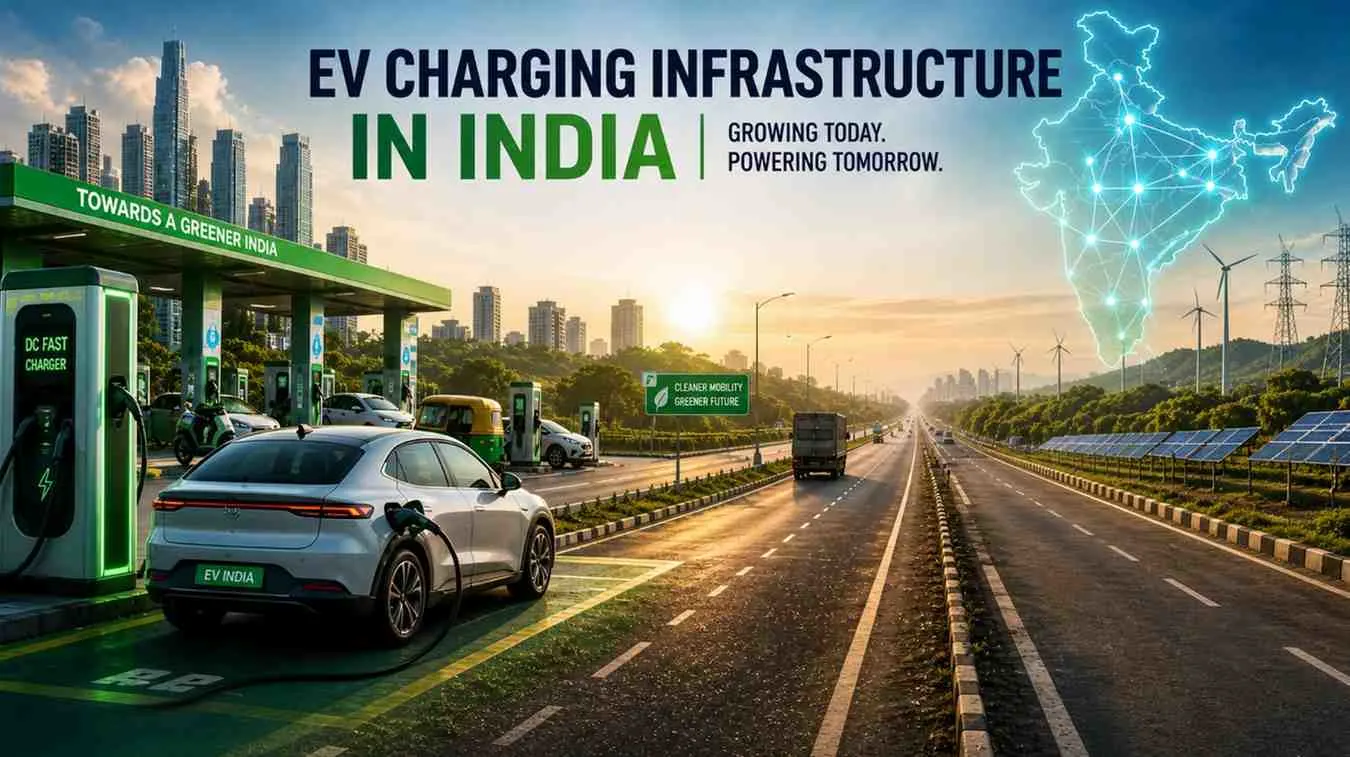
EV Charging Infrastructure in India

India had over 29,000 public EV charging stations as of early 2026, up from about 5,000 in 2022, a near six-fold expansion of EV charging...

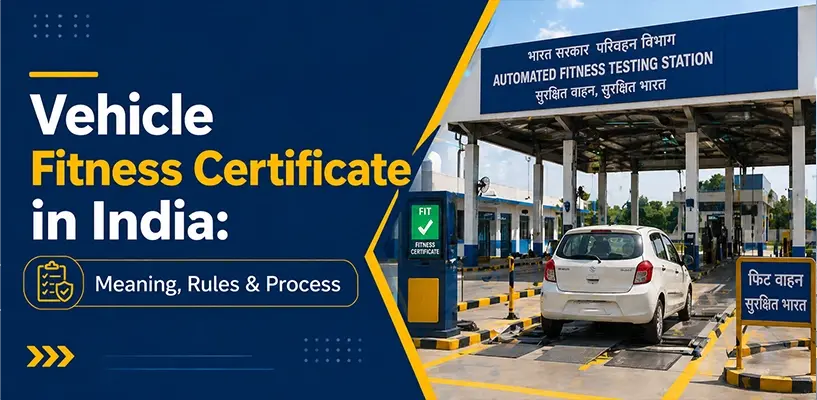
What Is Vehicle Fitness Certificate in India

A vehicle fitness certificate in India is a mandatory compliance document issued by the transport authority to confirm that a vehicle is safe for road...

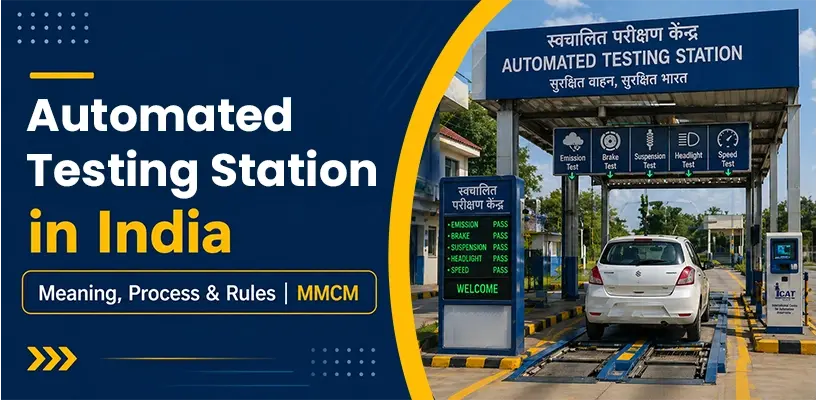
What Is an Automated Testing Station in India?

An Automated Testing Station (ATS) in India is a government-authorized facility that uses calibrated automated systems to assess vehicle fitness...

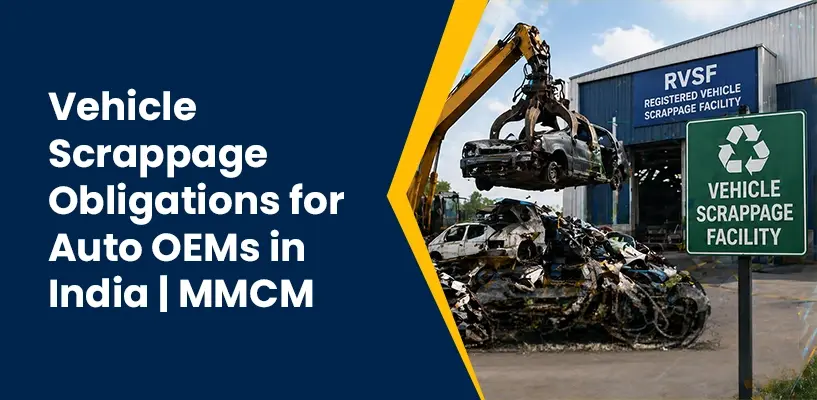
Vehicle Scrappage Obligations for Auto OEMs

Vehicle manufacturing is no longer limited to production and sales. Responsibility now extends across the entire lifecycle of a vehicle, including its...

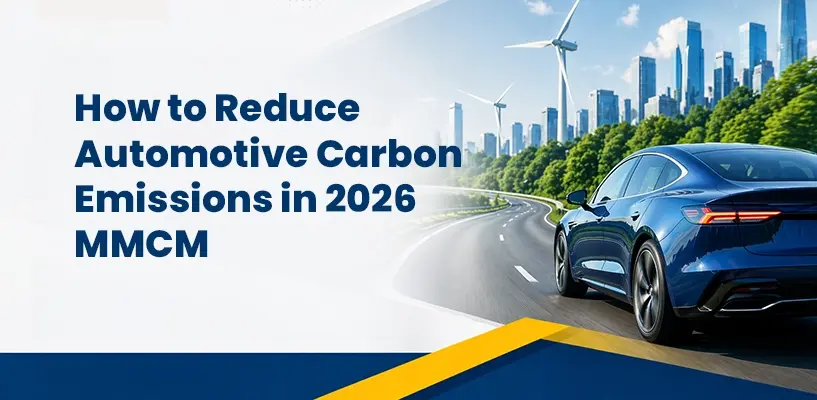
How to Reduce Automotive Carbon Emissions: Driving Habits & Industry Solutions

Reducing automotive carbon emissions begins with how vehicles are driven and maintained on a daily basis, and extends to the technologies used in...

Archives


This will close in 0 seconds