Metal Material Circular Market
Blog

Circular Economy in India: Policies & Opportunities

For a long time, most economies have followed a simple pattern: extract resources, manufacture products, use them, and eventually throw them away...

What is EPR (Extended Producer Responsibility)?

Waste management has traditionally been treated as a municipal responsibility. Products are manufactured, sold, consumed, and eventually discarded...

EPR Credits vs EPR Targets: What Is the Difference?

Extended Producer Responsibility (EPR) regulations require businesses to take responsibility for the environmental impact of the products they...

How to Select Authorized Car Scrapping Facility in India

Vehicle scrapping in India now follows a regulated system introduced under the national vehicle scrappage framework. The policy requires vehicles to...

Vehicle Scrappage Policy in India: Rules, Process, and Benefits

India’s vehicle scrappage policy in India phases out old and polluting vehicles through mandatory fitness testing after 15 years for commercial...

What Is an EPR Certificate?

Market access in India’s regulated product categories is not determined solely by manufacturing or import approval. Environmental compliance clearance...

Benefits of Vehicle Scrapping in India

India’s Voluntary Vehicle-Fleet Modernization Programme (V-VMP) was introduced to modernize the country’s aging vehicle fleet and reduce emissions...

End of Life Vehicles in India: Rules, Process & EPR Explained

End of life vehicles in India are regulated under the Environment Protection (End-of-Life Vehicles) Rules, 2025, which establish a government-mandated...

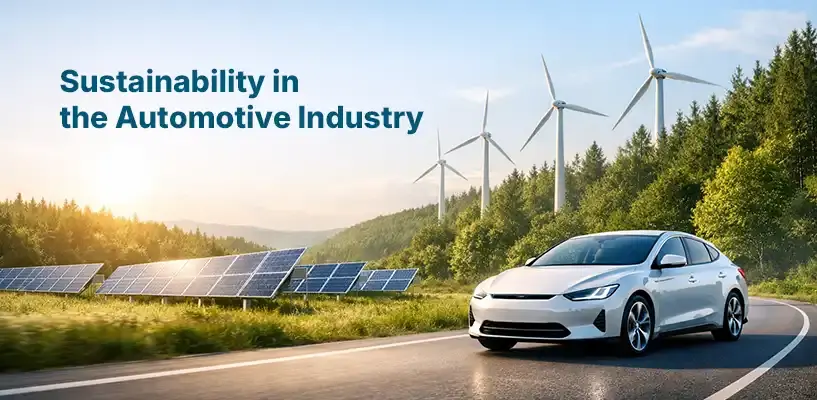
Sustainability in the Automotive Industry

For years, sustainability in the automotive sector was discussed mostly in terms of fuel efficiency and emission norms. That conversation is changing...

Archives


This will close in 0 seconds