Metal Material Circular Market
Blog

Carbon Insetting vs Offsetting

Carbon insetting and offsetting are two complementary approaches that organizations use to address greenhouse gas emissions, but they differ in where...

What Are Financed Emissions? Meaning, Scope, and Why They Matter

Financed emissions are the greenhouse gas emissions linked to a financial institution’s lending, investment, and underwriting activities...

Carbon Neutral vs Net Zero: Key Differences, Scope, and Use Cases

Carbon neutral and net zero are climate goals that differ in their level of ambition. Carbon neutrality focuses on balancing carbon dioxide emissions...

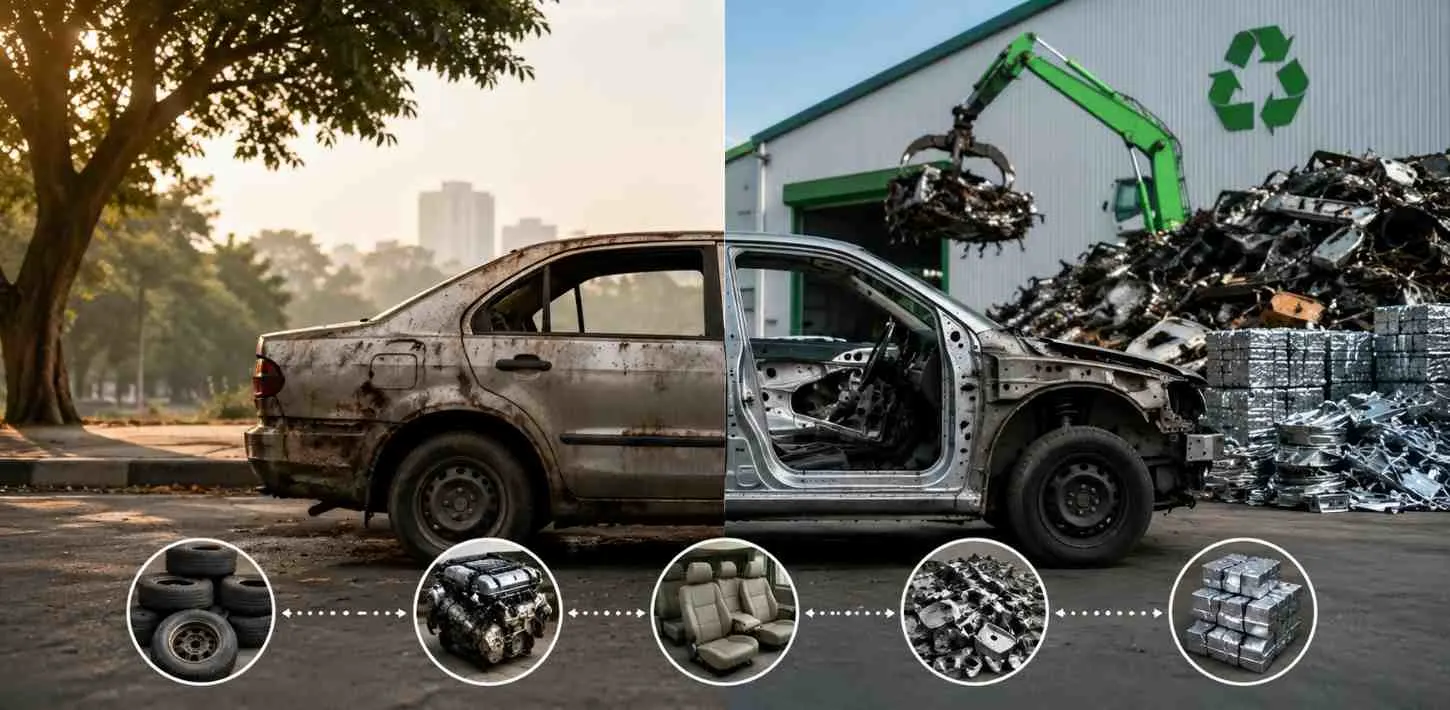
What Happens to a 15-Year-Old Car in India

When a private car turns 15 in India, its Registration Certificate (RC) expires under the Central Motor Vehicle Rules (CMVR), and continuing to drive...

Net Zero Roadmap: Meaning, Milestones, and How It Works

A net zero roadmap is a structured plan that outlines how emissions will be reduced and balanced over time to achieve net zero by 2050. It defines...

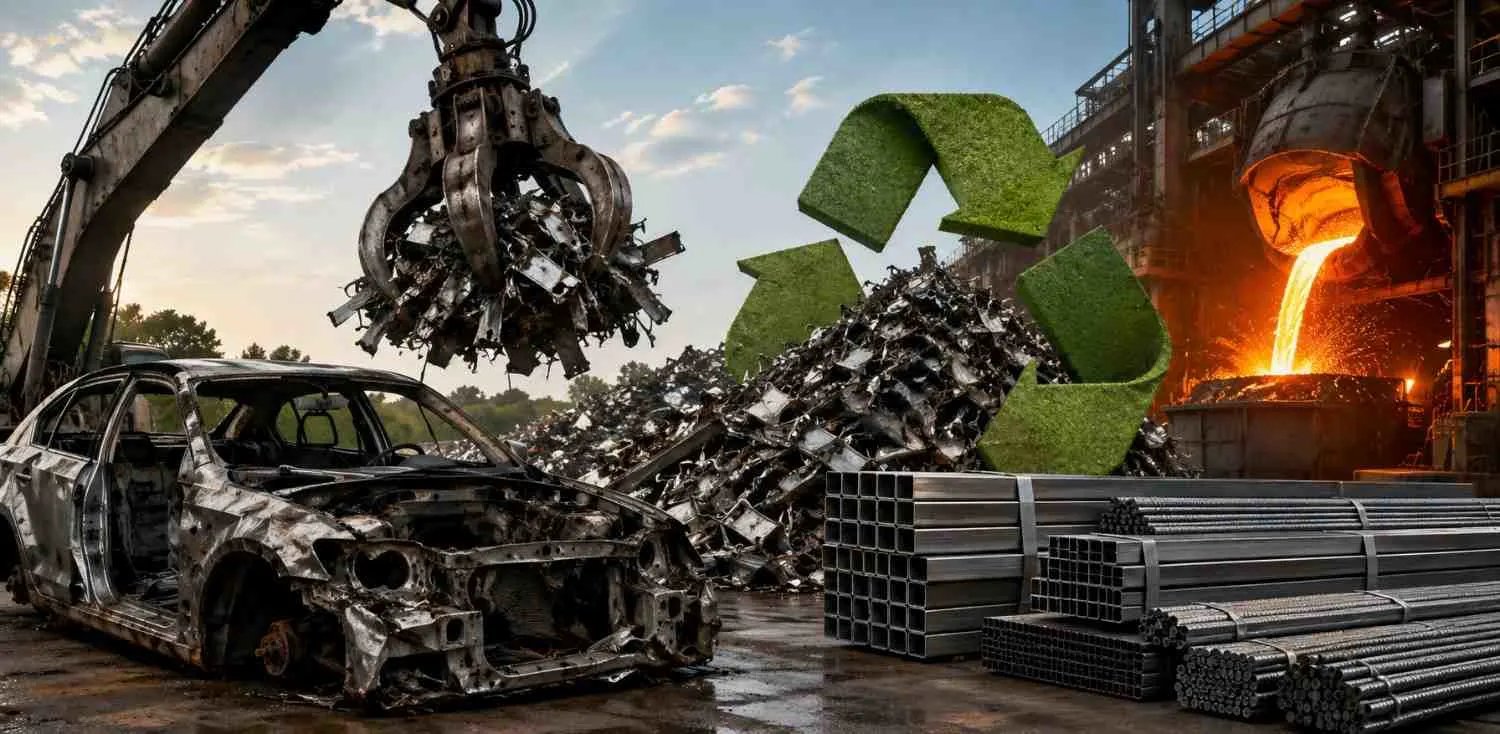
Steel Recycling from Vehicles

Steel is the single largest material recovered when a vehicle is recycled, with around 75% of the steel in a modern car recoverable. At a Registered...

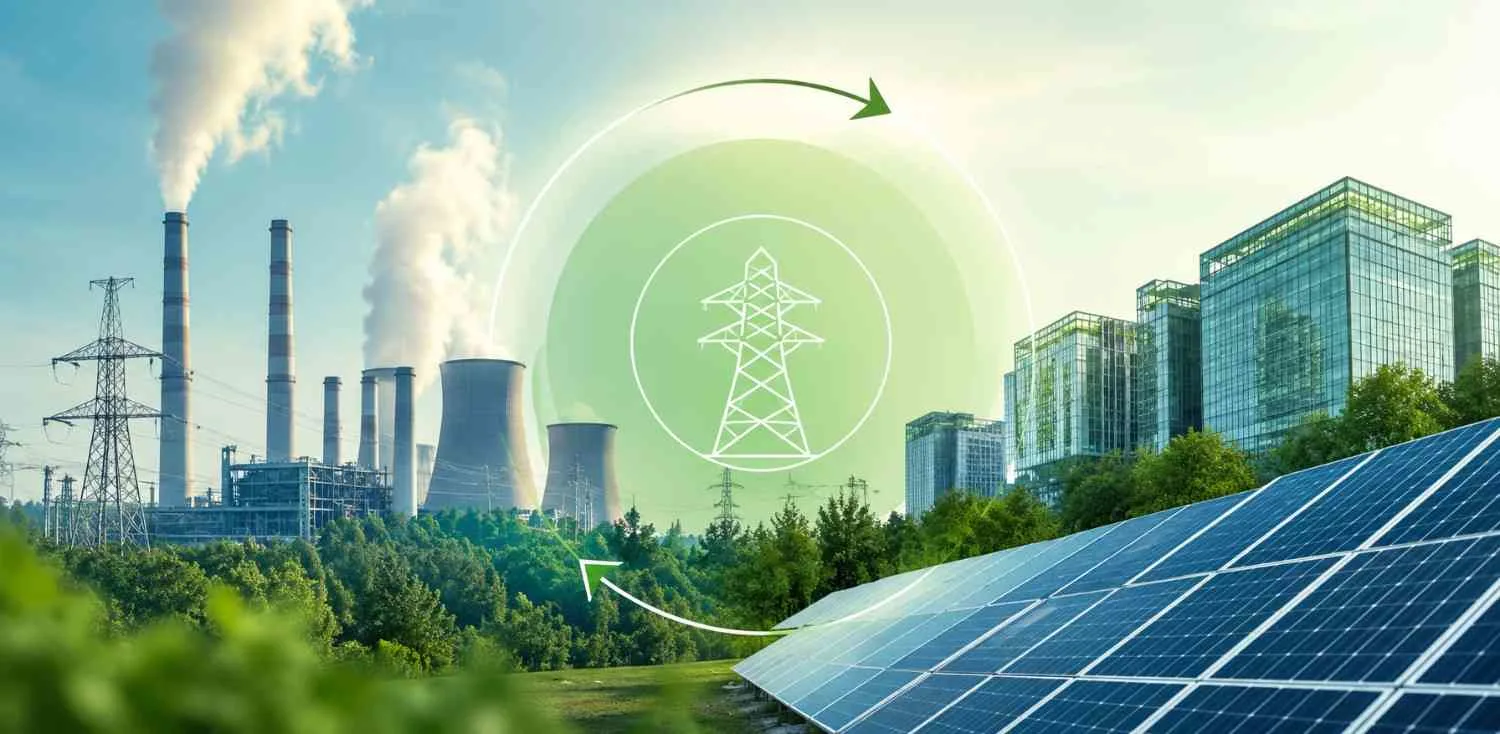
Scope 2 Emissions: Definition, Examples, and How Companies Reduce Them

Scope 2 emissions are indirect greenhouse gas emissions resulting from the generation of purchased electricity, steam, heating, or cooling consumed by...

Scope 1 Emissions: Meaning, Examples, and How Companies Reduce Them

Scope 1 emissions are direct greenhouse gas emissions released from sources owned or controlled by a company. These include fuel burned in...

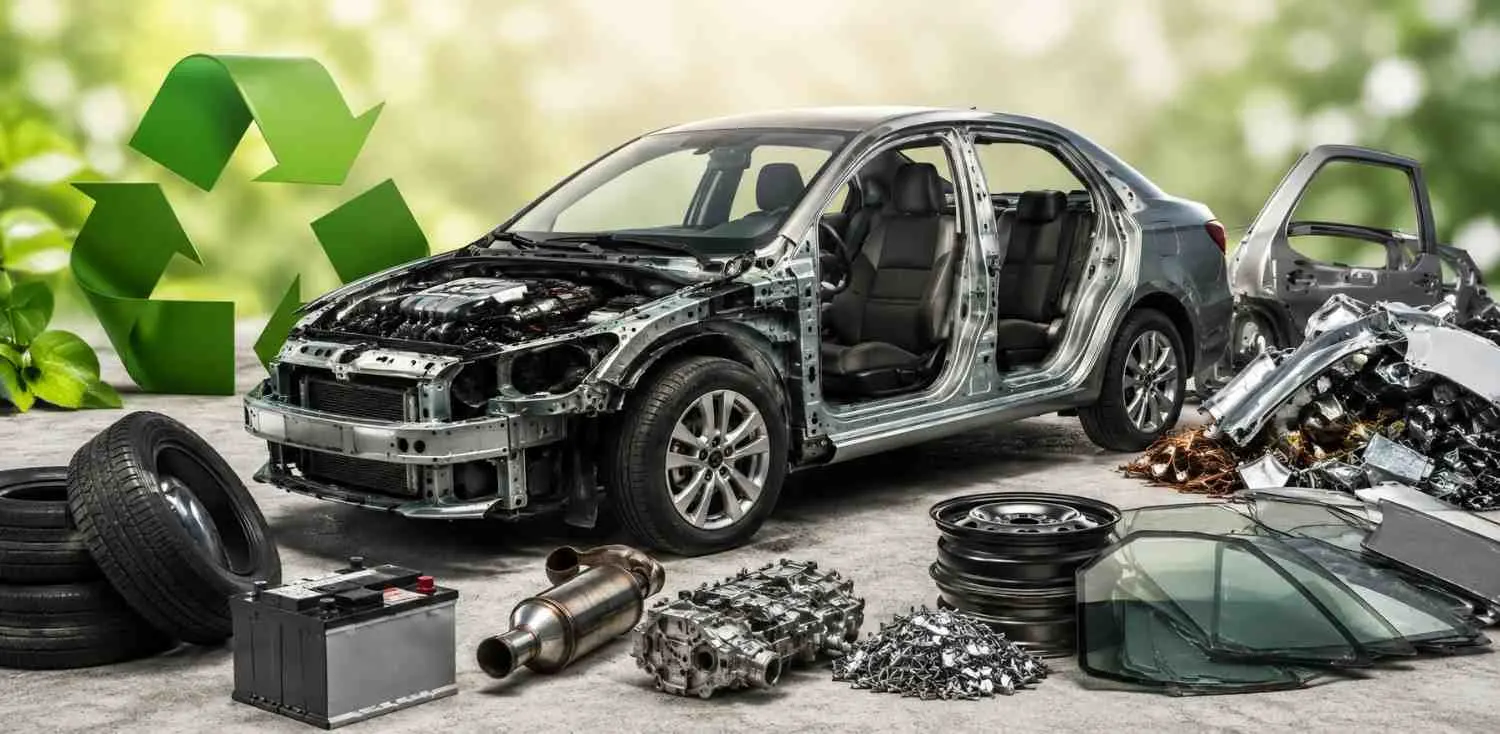
Which Parts of a Car Can Be Recycled

Up to about 90 percent of a car’s material weight can be recovered and recycled at an authorised facility, depending on the vehicle and the...

Archives


This will close in 0 seconds