

How to Reduce Your Carbon Footprint

To reduce your carbon footprint, cut emissions in the four areas where they concentrate, namely transport, home energy, diet, and consumption, then offset the share you cannot remove. Transport and home energy usually account for the largest portion for most households in India. Practical steps include using public transport, switching to energy-efficient appliances, eating lower-impact […]
Scrap vs Sell Old Car

The choice between scrapping and selling comes down to one question: can the car still be driven legally and safely. If it can, selling almost always returns more money. If it cannot, because of its age, a failed fitness test, or repair bills that no longer make sense, scrapping is the better route. Scrapping at […]
Green Tax for Vehicles in India
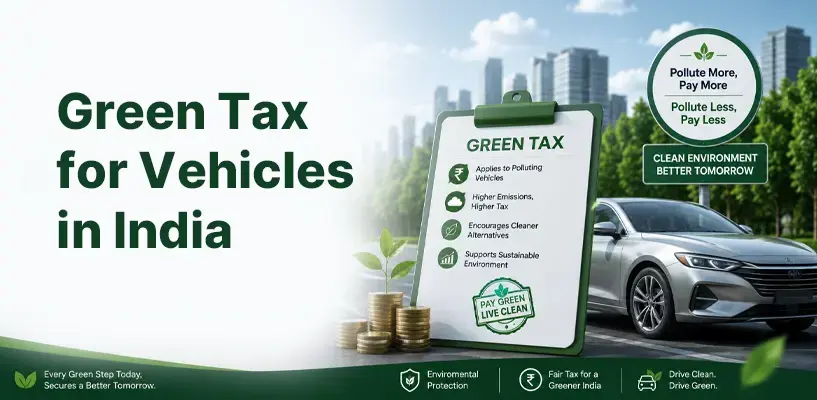
Green tax is an extra charge on older vehicles, added when you renew their registration or fitness certificate under the Motor Vehicles Act. It applies to private vehicles over 15 years old and commercial ones over 8 years, and usually works out to 10 to 25 percent of the road tax. Rates differ a lot […]
How to Deregister a Vehicle in India
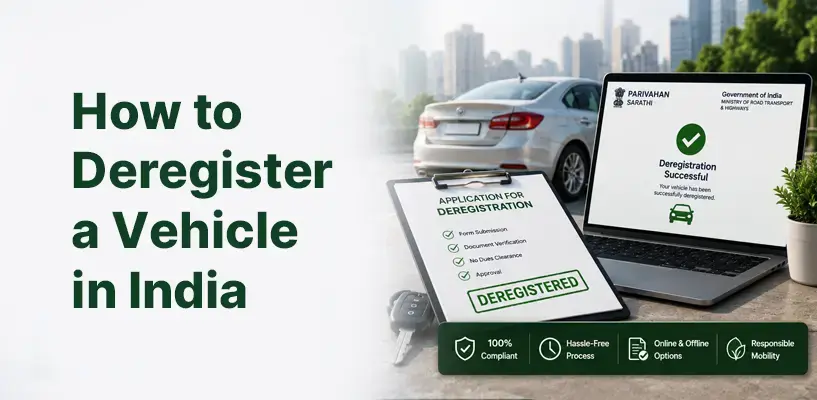
Deregistering a vehicle means formally cancelling its entry in VAHAN, the national database that holds every vehicle’s legal identity. You have to do this once a vehicle is scrapped, written off after an accident, exported, or retired for age. The process needs a Certificate of Deposit from an authorised scrapping facility, the original RC, and […]
Carbon Credit Trading Scheme
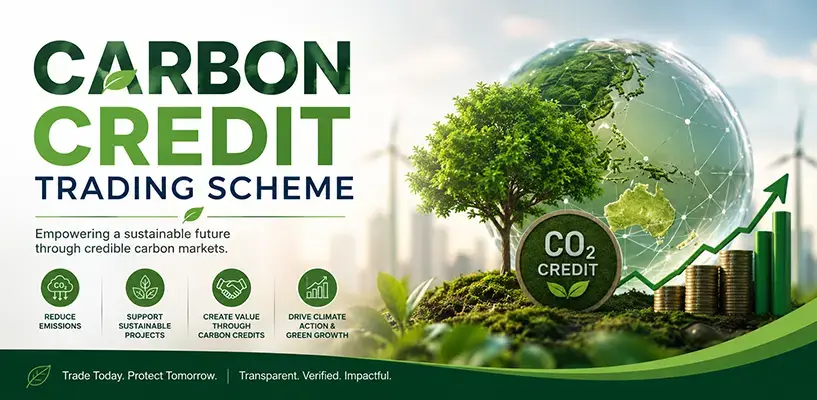
The Carbon Credit Trading Scheme is India’s national framework for trading Carbon Credit Certificates (CCCs), notified by the Ministry of Power on 28 June 2023 under the Energy Conservation (Amendment) Act 2022. It operates through two mechanisms: a compliance mechanism that issues and trades certificates against greenhouse gas emission-intensity targets for obligated entities in energy-intensive […]
Carbon Credit Registration Process
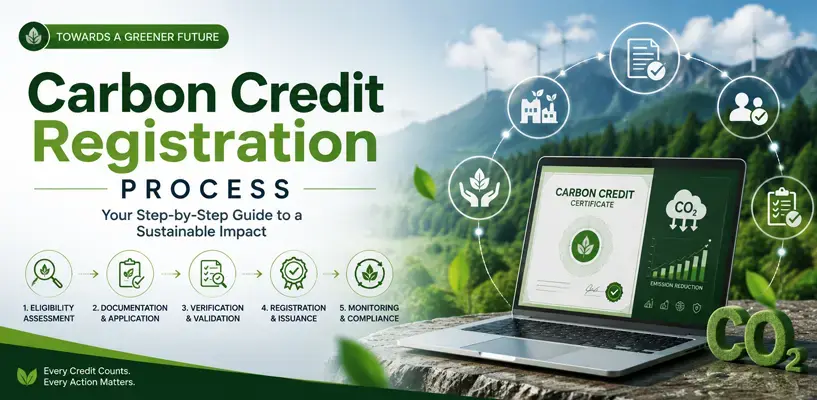
Registering carbon credits is how a project that cuts emissions turns that reduction into a credit it can sell. The path runs through six steps: writing a Project Design Document (PDD), having it checked by an independent agency, registering it with a registry, monitoring the project, verifying the actual reductions, and finally having the credits […]
Aluminium Recycling in the Automotive Industry
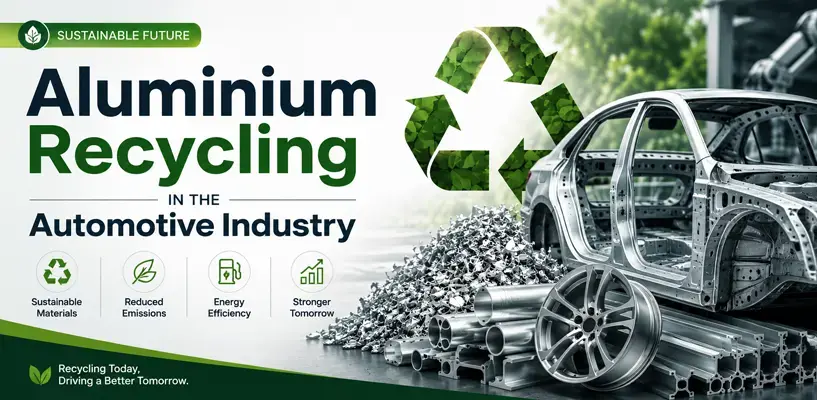
Aluminium recycling in the automotive industry recovers aluminium from end-of-life vehicles and production scrap, processes it through shredding, alloy sorting, and re-melting, and returns it as secondary aluminium feedstock for new vehicle components. According to the International Aluminium Institute secondary aluminium production requires approximately 5 percent of the energy used to produce primary aluminium from […]