
To reduce your carbon footprint, cut emissions in the four areas where they concentrate, namely transport, home energy, diet, and consumption, then offset the share you cannot remove. Transport and home energy usually account for the largest portion for most households in India. Practical steps include using public transport, switching to energy-efficient appliances, eating lower-impact meals, cutting waste, and supporting verified carbon projects for the remainder. Reduction comes first, and offsetting handles what is left. Learning how to reduce your carbon footprint involves a set of steady choices that compound over a year.
Reduce Carbon Footprint from Transport and Travel
Transport is often the single largest source of personal emissions, which makes it the first place to look. Petrol and diesel vehicles burn fuel directly, and frequent short car trips add up faster than most people expect. Shifting even a portion of weekly travel away from private cars produces a visible reduction over the year.
The most effective ways to lower carbon footprint in daily travel are practical rather than drastic.
- Use buses, metro, and trains for regular commutes, since shared transport spreads emissions across many passengers.
- Combine errands into a single trip and choose walking or cycling for short distances under a few kilometres.
- Keep your vehicle serviced and tyres correctly inflated, and carry a valid Pollution Under Control (PUC) certificate, since a well-maintained engine burns fuel more efficiently.
- Consider an electric vehicle for your next purchase, as it produces lower lifetime emissions than a comparable petrol or diesel model, especially as the grid adds cleaner power.
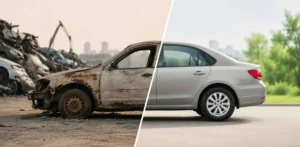
- Retire a very old, high-emission vehicle through a registered facility rather than running it well past its useful life, which also supports formal recycling under the vehicle scrappage policy in India.
Reduce Carbon Footprint at Home with Energy Savings
Home energy is the second major lever, and small fixed changes here keep paying back every month. Most household emissions come from electricity used for cooling, heating water, and running appliances. Because India’s grid still draws heavily on coal, cutting electricity use directly cuts emissions, which is why steps to reduce carbon emissions at home matter so much.
Appliances and Cooling
Cooling is the biggest swing factor in most Indian homes, especially through summer. Choosing efficient equipment and running it sensibly makes a measurable difference across the year.
- Choose appliances with a high Bureau of Energy Efficiency (BEE) star rating, particularly air conditioners and refrigerators that run for long hours.
- Set air conditioners to around 24 degrees Celsius, since each degree lower raises consumption noticeably.
- Replace old bulbs with LED lighting, which uses a fraction of the electricity for the same brightness.
Generation and Habits
Beyond appliances, how you source and use power shapes your footprint. A few structural choices lock in savings without daily effort.
- Install rooftop solar where feasible, which offsets daytime electricity use and reduces grid draw over the system’s life.
- Switch off and unplug devices on standby, since idle electronics draw a steady trickle of power.
- Use natural light and ventilation during the day to cut reliance on artificial lighting and cooling.
Reduce Carbon Footprint Through Diet and Food Choices
Food carries a larger footprint than most people realise, mainly through production rather than transport. Meat and dairy, especially red meat, require far more land, water, and energy per kilogram than plant foods. Adjusting the balance of your plate is one of the more accessible changes because it fits existing routines.
The steps below reduce food-related emissions without demanding a complete dietary overhaul.
- Add more plant-based meals each week, since pulses, vegetables, and grains carry a lower footprint than meat-heavy dishes.
- Buy local and seasonal produce where possible, which reduces the energy spent on storage and long-distance transport.
- Plan meals and store food well to cut spoilage, because food that is thrown away wastes every input that went into producing it.
- Reduce reliance on heavily processed and packaged foods, which add emissions through manufacturing and packaging.
Reduce Carbon Footprint by Cutting Waste and Consumption
Consumption is where a circular mindset replaces a throwaway one, and it links directly to recycling. Every product carries embedded emissions from the materials and energy used to make it, so buying less and keeping things longer avoids those emissions entirely. This is also the area that connects individual habits to the larger systems that recover materials at scale.
Everyday Waste
Routine waste choices are easy to change once they become habits. The focus is on avoiding what you do not need and recovering what you do.
- Carry reusable bags, bottles, and containers to cut single-use plastic.
- Segregate waste at home so that recyclable material actually reaches recyclers rather than landfill.
- Repair and reuse before replacing, which extends the life of products and delays new purchases.
Bigger-Ticket Decisions
Larger items carry the heaviest embedded emissions, so they deserve more thought. Choosing well here outweighs many small daily actions.
- Buy durable, repairable goods rather than the cheapest short-lived option.
- Recycle electronics, batteries, and vehicles through authorised channels so their materials re-enter supply chains.
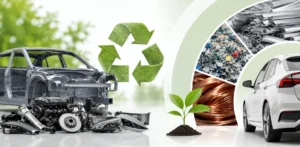
- Recover the value in major assets at end of life, the way steel and metals are reclaimed from end-of-life vehicles in India instead of being lost.
Offset the Carbon Footprint You Cannot Reduce
Even after strong reductions, some emissions remain from travel, heating, and daily life that current technology cannot fully remove. Offsetting addresses this residual share by funding projects that reduce or remove emissions elsewhere, and it works only as a complement to reduction, never as a substitute. For individuals exploring carbon offset for individuals, the priority is choosing credits with real environmental integrity rather than the cheapest available option.
What Makes a Carbon Credit Credible
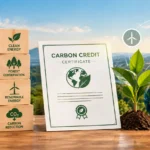
A carbon credit represents one tonne of carbon dioxide equivalent reduced or removed, and quality varies widely. High-integrity credits are real, additional, permanent, independently verified, and traceable, which is what separates a meaningful purchase from a token one. Understanding how carbon credits work helps individuals judge what they are actually buying.
Credits are issued and tracked by registries that set these standards. Verra issues Verified Carbon Units, Gold Standard issues Verified Emission Reductions, the Global Carbon Council issues Approved Carbon Credits, and Cercarbono issues Carboncers under its voluntary programme. A credit registered and verified under one of these registries carries far more assurance than an unverified claim, and the carbon credit registries operating in India make this verification visible.
Where Vehicle Recycling Fits
One source of high-integrity credits is the recovery of materials from end-of-life vehicles, where verified recycling avoids the emissions of producing virgin steel. MMCM develops ELV carbon credits of this kind, certified under Cercarbono and issued as Carboncers, with recycling data recorded on a blockchain-based registry for traceability. These are business-to-business circularity credits generated from industrial recycling activity rather than a consumer product you buy at checkout, so individuals encounter this integrity standard mainly as a benchmark for judging any credit they consider.
Conclusion
Reducing your carbon footprint works best as an ordered plan, namely cut transport emissions first, then home energy, then food and consumption, and offset only what genuinely remains. Knowing how to reduce your carbon footprint in this sequence keeps the focus on the changes that move the needle, rather than on gestures that feel good but achieve little.
When you do reach the offsetting stage, choose credits verified under recognised registries such as Verra, Gold Standard, the Global Carbon Council, or Cercarbono, whose Carboncers reflect a strict integrity standard. Steady reductions paired with high-integrity offsets are how individual choices add up to a real and lasting result.
FAQs
What is the fastest way to reduce my carbon footprint?
The fastest meaningful change is usually in transport, since it is the largest source for many people. Shifting regular car trips to public transport, walking, or cycling cuts emissions immediately, with no purchase required. Home energy follows closely, where setting air conditioning higher and switching to LED lighting deliver quick, repeatable savings every month.
Do electric vehicles actually lower my carbon footprint?
Yes, an electric vehicle generally produces lower lifetime emissions than a comparable petrol or diesel car, even accounting for electricity generation. The advantage grows as the grid adds cleaner power and as the battery’s manufacturing emissions are spread over years of use. Charging on rooftop solar where possible improves the benefit further.
How much can diet changes really help?
Diet carries a larger footprint than many expect, mostly from producing meat and dairy. Adding more plant-based meals each week, buying seasonal produce, and cutting food waste all reduce emissions without a complete dietary change. Because food choices repeat daily, even modest shifts compound into a noticeable annual reduction over time.
Is carbon offsetting a substitute for reducing emissions?
No, offsetting only addresses emissions you cannot eliminate after genuine reduction. Treating it as a licence to keep emitting defeats the purpose, since the priority is always to cut first and offset the residual. Used correctly, a high-integrity offset complements reduction, funding verified projects that reduce or remove carbon elsewhere.
How do I know a carbon credit is genuine?
Look for credits issued and verified under recognised registries such as Verra, Gold Standard, the Global Carbon Council, or Cercarbono. A genuine credit is real, additional, permanent, independently verified, and traceable to a registered project. Avoid vague claims with no registry, no verification, and no project identifier, since these offer little assurance of actual impact.
What is the difference between reducing and offsetting carbon?
Reducing means cutting the emissions you create, through choices like efficient appliances, less driving, and lower waste. Offsetting means funding emission reductions elsewhere to balance what you could not avoid. Reduction is permanent and within your control, while offsetting is a supporting measure, so a sound plan always puts reduction first and offsetting last.
Can recycling my old vehicle reduce emissions?
Yes, recycling a vehicle through an authorised facility recovers steel and metals, which avoids the high emissions of producing those materials from virgin ore. It also keeps a high-emission vehicle off the road. Routing an old vehicle through formal scrapping channels therefore reduces both your direct emissions and the embedded emissions in new material production.