
For a long time, most economies have followed a simple pattern: extract resources, manufacture products, use them, and eventually throw them away. This “take-make-dispose” model creates large amounts of waste and puts increasing pressure on natural resources.
India is gradually moving toward a different approach known as the circular economy. Instead of discarding materials after use, the circular model focuses on reusing, repairing, and recycling products so that resources stay in use for longer.
This shift is becoming important as India faces rapid urban growth, rising consumption, and increasing waste generation. Managing resources more efficiently is no longer just an environmental concern; it has become an economic priority as well.
The government has introduced several policies to support this transition. Regulations such as Extended Producer Responsibility (EPR), plastic waste management rules, and sector-specific recycling initiatives aim to improve waste recovery and strengthen recycling systems across industries.
What is Circular Economy and Why It Matters for India?
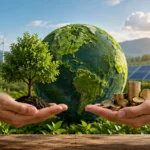
A circular economy focuses on minimizing waste and maximizing the value of resources by keeping materials in use for as long as possible. Instead of discarding products after use, materials are reused, repaired, recycled, or repurposed within the production cycle.
Traditional economies operate on a linear model, which follows a simple sequence: take resources, manufacture products, and dispose of waste. This model increases resource extraction and generates large volumes of waste.
The circular model replaces this approach with the 3R principles:
- Reduce resource consumption
- Reuse products and materials
- Recycle waste into new inputs
For a resource constrained country like India, circular systems are critical. They help reduce pressure on natural resources, lower waste generation, and promote efficient material use across industries.
Circular practices also support India’s broader climate commitments. As the country moves toward its net zero target by 2070, circular production systems can reduce emissions by minimizing raw material extraction and improving recycling efficiency. Businesses that adopt circular approaches also contribute to climate strategies such as those explained in the net zero roadmap and broader sustainability initiatives.
Key Policies That Are Driving Circular Economy in India
Government regulations play a central role in accelerating circular economy adoption. Several circular economy policies India has introduced are designed to improve waste management, enforce producer accountability, and strengthen recycling infrastructure.
1. Extended Producer Responsibility (EPR)
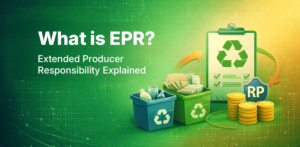
The Extended Producer Responsibility India framework requires manufacturers and importers to take responsibility for collecting and recycling the products they introduce into the market.
Under EPR, companies must ensure proper waste recovery and recycling through authorized channels. Businesses often obtain compliance documentation such as an EPR certificate to demonstrate adherence to regulatory requirements.
2. Plastic Waste Management Rules
The plastic waste management rules India regulate the collection, segregation, and recycling of plastic waste. These rules also restrict certain single use plastics and place responsibility on producers to manage post consumer waste.
3. E Waste Management Rules
India’s e waste regulations require manufacturers to collect and recycle electronic waste. These policies encourage safe disposal practices and support formal recycling infrastructure.
4. Battery Waste Management Rules
Battery waste regulations focus on safe recycling and recovery of materials used in batteries. Producers must ensure proper disposal and recycling through authorized collection networks.
5. Metals Recycling Policy
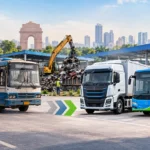
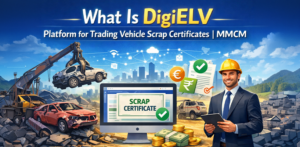
India’s metals recycling policy promotes efficient recovery of metals from end of life products such as vehicles and industrial equipment. This policy supports industries involved in vehicle scrapping and recycling, including registered vehicle scrapping facility networks.
These regulatory frameworks collectively strengthen compliance and reporting systems across industries while encouraging circular production practices.
Role of NITI Aayog and Sectoral Action Plans
India’s circular economy strategy is strongly supported by NITI Aayog circular economy initiatives. NITI Aayog has established a Circular Economy Cell to coordinate national policies and sectoral strategies.
The cell works with multiple ministries and industries to design circular economy frameworks across priority sectors. Its goal is to integrate circular practices into national development strategies while promoting innovation and resource efficiency.
Key responsibilities include:
- Developing sector specific circular economy action plans
- Coordinating policy integration across ministries
- Supporting research and industry collaboration
- Promoting waste to wealth initiatives
The waste to wealth approach encourages industries to recover value from discarded materials instead of treating them as waste. This strategy supports recycling industries, promotes new business models, and reduces landfill dependency.
NITI Aayog also collaborates with government agencies and private companies to scale circular solutions across sectors such as automotive, plastics, electronics, and construction.
Economic Benefits of Circular Economy in India
The circular economy presents significant economic opportunities for India beyond environmental benefits.
1. Large Market Potential
Studies suggest that the circular economy in India could unlock a $2 trillion market opportunity by 2050 through resource efficiency and innovation across industries.
2. Job Creation
Circular industries such as recycling, repair services, remanufacturing, and waste management can generate large numbers of green jobs.
3. Reduced Raw Material Imports
India imports large quantities of metals, minerals, and raw materials. Recycling and material recovery can reduce reliance on imports and strengthen domestic supply chains.
4. Industrial Innovation
Circular business models encourage innovation in product design, recycling technologies, and resource recovery systems.
5. Growth of Recycling and Repair Industries
Circular systems support industries focused on product repair, refurbishment, and recycling. These sectors extend product lifecycles and create new business opportunities.
Conclusion
The circular economy in India represents both an environmental necessity and a significant economic opportunity. By moving away from waste intensive linear systems and adopting circular models based on reuse, recycling, and resource efficiency, India can reduce environmental impact while strengthening industrial competitiveness.
Government policies, regulatory frameworks, and sectoral action plans are laying the foundation for this transition. With continued collaboration between industries, policymakers, and technology providers, circular systems can become a central pillar of India’s sustainable development strategy and climate commitments.
FAQs
1. What is circular economy in India?
Circular economy in India focuses on reducing waste and improving resource efficiency by promoting recycling, reuse, and responsible production systems across industries.
2. Why is the circular economy important for India?
Circular economy helps India reduce resource dependence, manage growing waste volumes, create green jobs, and support its long term climate commitments.
3. How does Extended Producer Responsibility support circular economy?
Extended Producer Responsibility requires manufacturers to manage the collection and recycling of products after use, encouraging responsible production and waste recovery.
4. What sectors are prioritized in India’s circular economy plans?
Key sectors include plastics, electronics, batteries, construction materials, agriculture, and vehicle recycling.
5. How does circular economy help achieve net zero targets?
Circular systems reduce emissions by minimizing raw material extraction, improving recycling rates, and extending product lifecycles.