
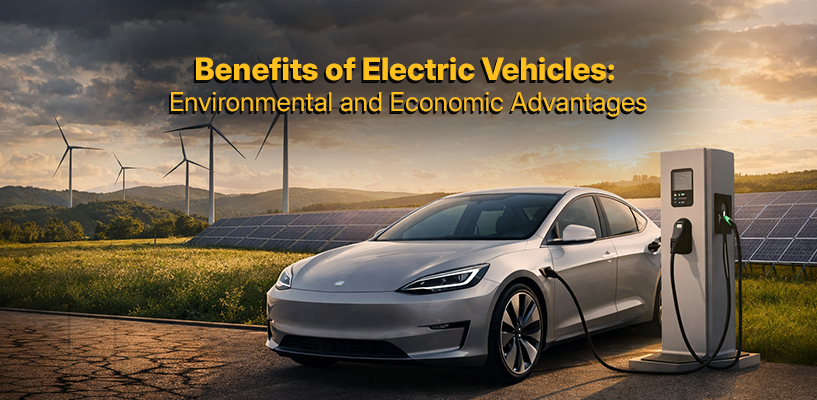
Electric vehicles are no longer just an alternative to petrol and diesel cars. They represent a shift in how mobility connects with energy systems, emissions, and long term sustainability. As climate concerns and fuel costs continue to rise, EVs are being positioned as a practical solution that aligns personal mobility with broader decarbonization goals.
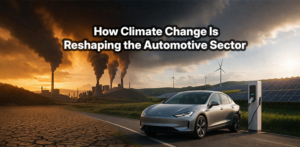
The growing adoption of EVs is closely linked to how climate change is reshaping the automotive sector, pushing industries toward cleaner technologies. Electric vehicle benefits go beyond emissions. They extend into cost savings, operational efficiency, and infrastructure transformation.
What Are Electric Vehicles?
Electric vehicles are designed to run partially or entirely on electricity rather than fossil fuels. This changes the way energy is stored, converted, and used within the vehicle.
At a basic level, EVs replace internal combustion engines with electric motors powered by battery systems. This simplifies the drivetrain significantly. A conventional vehicle may have thousands of moving parts, while an EV operates with a much smaller and more efficient system.
Types of electric vehicles
Different EV categories exist based on how electricity and fuel are used
- Battery Electric Vehicles or BEVs run entirely on electricity
- Hybrid Electric Vehicles combine fuel engines with electric systems
- Plug in Hybrid Electric Vehicles can switch between electricity and fuel
Among these, BEVs deliver the maximum EV environmental benefits since they eliminate fuel dependency during operation.
From a lifecycle perspective, emissions vary across these types. A deeper understanding of automotive lifecycle emissions helps evaluate how each category performs over time.
EVs are increasingly becoming central to sustainable transportation as governments and industries align with climate targets and energy transition strategies.
Environmental Benefits of Electric Vehicles
Electric vehicles are often discussed in the context of emissions reduction, but their environmental impact extends beyond just eliminating fuel usage.
What makes EVs environmentally relevant
1. Zero tailpipe emissions
EVs produce no direct emissions during operation. This eliminates carbon dioxide, nitrogen oxides, and particulate matter at the point of use.
2. Lower greenhouse gas emissions
Even when electricity comes from mixed sources, EV lifecycle emissions are generally lower than petrol and diesel vehicles.
3. Improved urban air quality
Cities benefit immediately from reduced pollution levels, especially in high traffic zones.
4. Reduced noise pollution
Electric motors operate quietly, contributing to better urban living conditions and reduced stress levels.
5. Cleaner over time
As electricity grids integrate renewable sources, EVs automatically become cleaner without requiring hardware changes.
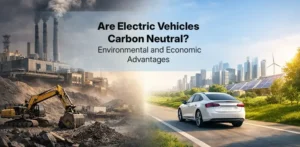
A balanced perspective is important here. While EVs offer strong environmental advantages, they are not fully neutral. A detailed explanation can be found in are electric vehicles carbon neutral, which explains lifecycle emissions in depth.
6. Lower Running Costs
The cost benefits of electric vehicles are one of the most immediate advantages for users. The shift from fuel to electricity changes the economics of daily travel.
Where savings come from
Electricity costs less per kilometer compared to petrol or diesel. In many regions, EVs operate at a fraction of the cost of conventional vehicles. Energy efficiency also plays a role. Electric motors convert a higher percentage of energy into motion, reducing wastage. Daily commuting becomes more predictable in terms of expenses, as electricity pricing is more stable compared to fuel markets.
Running cost comparison
| Vehicle Type | Energy Source | Average Running Cost |
| Petrol Vehicle | Petrol | High |
| Diesel Vehicle | Diesel | Moderate |
| Electric Vehicle | Electricity | Lower |
Over time, these savings accumulate, making EV ownership financially attractive despite higher upfront costs.
Reduced Maintenance Requirements
Electric vehicles simplify maintenance by eliminating many components found in traditional vehicles. This directly reduces servicing frequency and cost.
Key differences in maintenance
- No engine oil changes required
- No spark plugs or exhaust systems
- Fewer moving parts leading to lower wear and tear
Regenerative braking further enhances efficiency. Instead of relying entirely on mechanical brakes, EVs use the motor to slow down the vehicle. This reduces brake wear and extends component life.
Maintaining vehicle efficiency also contributes to emissions reduction. Practical approaches to this are outlined in how to reduce automotive carbon emissions, where operational efficiency plays a central role.
Improved Energy Efficiency
Energy efficiency is where EVs outperform traditional vehicles by a wide margin. This directly impacts both cost and environmental performance.
How efficiency differs
Electric motors convert a large portion of energy into motion, while internal combustion engines lose significant energy as heat.
EVs also deliver instant torque, resulting in smoother acceleration and better performance in city driving conditions.
Higher efficiency means less energy is required for the same distance, improving both cost and sustainability outcomes.
Convenience of Charging
Charging convenience is a major shift in how vehicles are used and maintained. Unlike traditional fueling, EV charging integrates into daily routines.
Charging advantages
Home charging allows users to recharge overnight without visiting fuel stations.
Public charging infrastructure continues to expand, improving accessibility for long distance travel.
Charging systems can integrate with renewable sources such as solar energy, further reducing emissions.
Government Incentives and Policy Support
Policy support plays a critical role in accelerating EV adoption. Governments are actively encouraging the transition through financial and regulatory measures.
Key policy benefits
- Subsidies that reduce purchase cost
- Lower registration fees and road taxes
- Tax benefits for EV buyers
- Incentives for manufacturers and infrastructure development
Vehicle scrapping policies also support this transition. The benefits of vehicle scrapping in India include financial incentives that might be used toward purchasing new EVs, depending upon the state policies and manufacturer’s t&c.
This creates a direct link between phasing out older vehicles and adopting cleaner alternatives.
Energy Security and Reduced Fossil Fuel Dependence
Electric vehicles reduce reliance on fossil fuels, which has both economic and strategic implications.
Why this matters
Countries that depend on fuel imports face price volatility and supply risks. EV adoption shifts energy demand toward electricity, which can be generated domestically.
Renewable energy integration further strengthens energy security by reducing dependence on external fuel sources.
Long term impact
- Diversified energy systems
- Reduced exposure to global oil price fluctuations
- Increased use of renewable resources
- Alignment with national sustainability goals
Electric mobility becomes part of a larger transition toward resilient and decentralized energy systems.
EV Benefits for Businesses and Fleets
Electric vehicles also deliver advantages at an organizational level, especially for logistics and fleet operations.
Business level impact
- Switching to EV fleets reduces fuel costs and improves operational efficiency.
- Companies can lower their emissions footprint, especially in supply chains.
- EV adoption supports sustainability reporting and ESG alignment.
Organizations aiming for long term decarbonization often integrate EVs into their strategy. This aligns with broader frameworks such as how companies achieve net zero targets, where transport emissions play a significant role.
Conclusion
Electric vehicles deliver a combination of environmental and economic advantages that extend beyond individual ownership. Lower emissions, reduced operating costs, minimal maintenance, and higher efficiency make them a strong alternative to conventional vehicles.
The real value of EVs lies in how they connect mobility with energy transition. As electricity systems become cleaner and infrastructure expands, their benefits continue to grow over time.
Electric vehicles are not just better cars. They are part of a larger shift toward sustainable transportation, where personal savings and global responsibility move in the same direction.
FAQs
1. What are the main benefits of electric vehicles?
Lower emissions, reduced running costs, minimal maintenance, and higher efficiency are the key benefits.
2. Why are electric vehicles better for the environment?
They produce no tailpipe emissions and have lower lifecycle emissions compared to petrol and diesel vehicles.
3. Do electric vehicles reduce fuel costs?
Yes, electricity is generally cheaper than petrol or diesel, leading to lower operating costs.
4. Are electric vehicles cheaper to maintain?
Yes, fewer moving parts and no engine related components reduce maintenance costs.
5. How efficient are electric vehicles compared with petrol cars?
EVs are significantly more efficient, converting up to 90 percent of energy into motion.
6. Can electric vehicles be charged at home?
Yes, most EVs support home charging, making daily usage more convenient.
7. Do governments provide incentives for electric vehicles?
Yes, many governments offer subsidies, tax benefits, and policy support to encourage EV adoption.