mmcm

Blog

What Is an EPR Certificate?

Market access in India’s regulated product categories is not determined solely by manufacturing or import approval. Environmental compliance clearance...

Benefits of Vehicle Scrapping in India

India’s Voluntary Vehicle-Fleet Modernization Programme (V-VMP) was introduced to modernize the country’s aging vehicle fleet and reduce emissions...

End of Life Vehicles in India: Rules, Process & EPR Explained

End of life vehicles in India are regulated under the Environment Protection (End-of-Life Vehicles) Rules, 2025, which establish a government-mandated...

Sustainability in the Automotive Industr

For years, sustainability in the automotive sector was discussed mostly in terms of fuel efficiency and emission norms. That conversation is changing...

How to Scrap a Vehicle in India

Vehicle scrapping in India plays a crucial role in reducing pollution, improving road safety, and ensuring legal compliance. Ageing vehicles or those...

Certificate of Deposit CoD in the Automotive Industry

India’s vehicle scrappage framework now operates through a regulated and digitally monitored system. Vehicles cannot be dismantled or removed from the...

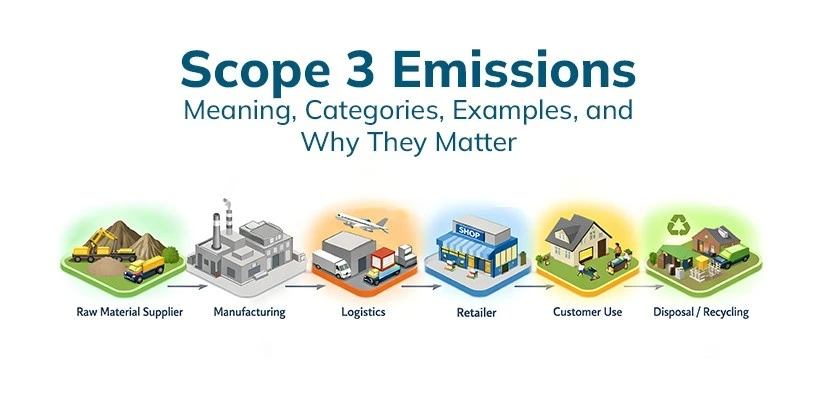
Scope 3 Emissions: Meaning, Categories, Examples, and Why They Matter

Scope 3 emissions are the indirect greenhouse gas (GHG) emissions that occur across a company’s value chain. Under the GHG Protocol, emissions are...

Scope 1, 2, and 3 Emissions: Meaning, Examples, and Why They Matter?

In the race toward net zero, few frameworks have influenced corporate climate action as much as the GHG Protocol’s system for categorizing...

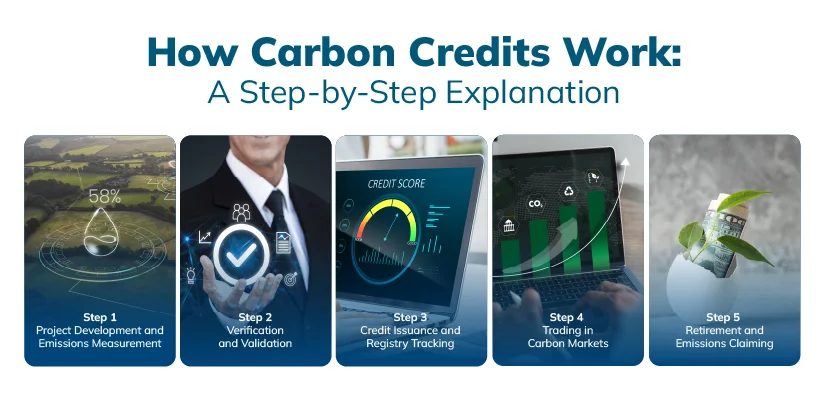
How Carbon Credits Work: A Step-by-Step Explanation

Carbon credits work through a market based mechanism that incentivizes projects reducing or removing greenhouse gas emissions. Verified projects...

This will close in 0 seconds