

What Are Financed Emissions? Meaning, Scope, and Why They Matter
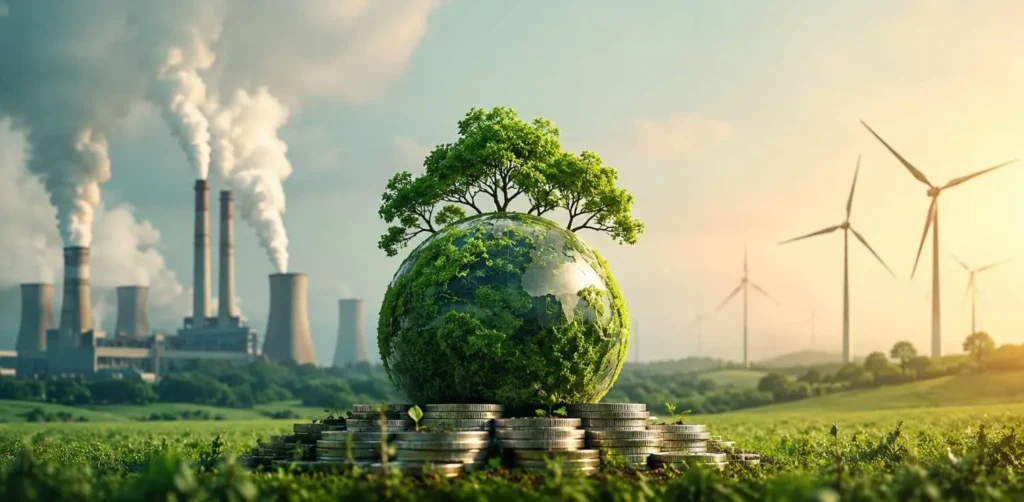
Financed emissions are the greenhouse gas emissions linked to a financial institution’s lending, investment, and underwriting activities. Classified under Scope 3 Category 15 of the Greenhouse Gas (GHG) Protocol, they represent the indirect emissions generated by the companies, projects and assets being financed. For banks, insurers, and asset managers, financed emissions typically account for the […]
Carbon Neutral vs Net Zero: Key Differences, Scope, and Use Cases
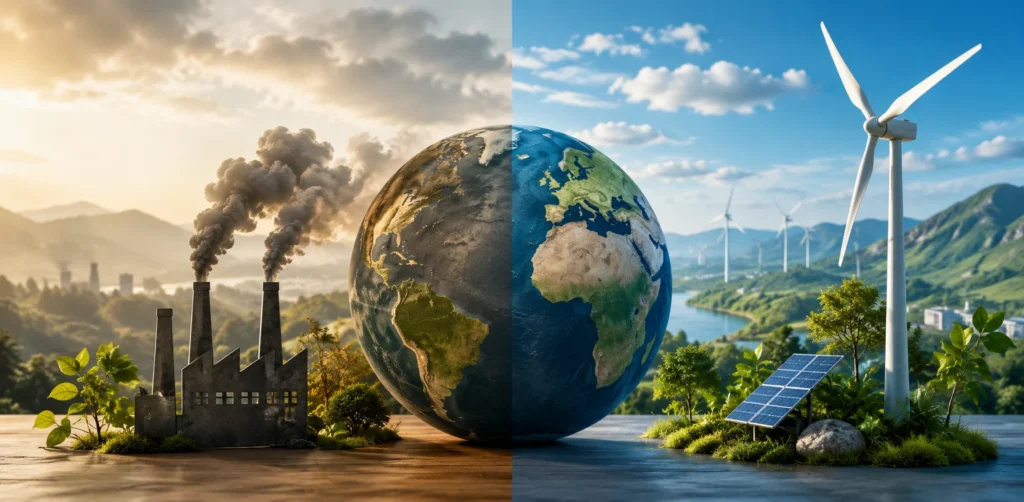
Carbon neutral and net zero are climate goals that differ in their level of ambition. Carbon neutrality focuses on balancing carbon dioxide emissions through offsets, often without requiring deep emission reductions. Net zero requires reducing all greenhouse gas emissions across the value chain to as close to zero as possible, with offsets used only for […]
What Happens to a 15-Year-Old Car in India
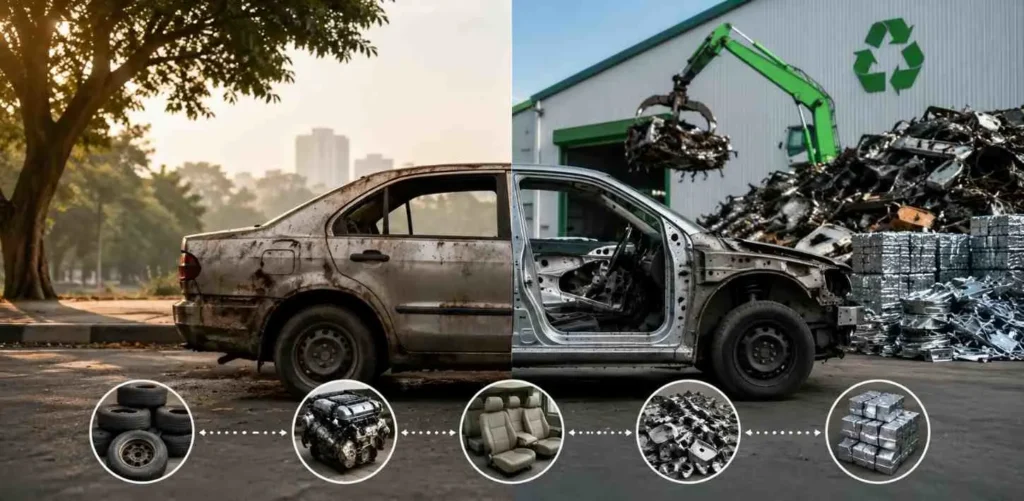
When a private car turns 15 in India, its Registration Certificate (RC) expires under the Central Motor Vehicle Rules (CMVR), and continuing to drive without action becomes illegal. The owner has two legal paths: pass a fitness test at an Automated Testing Station (ATS) and renew the RC for another 5 years, or scrap the […]
Net Zero Roadmap: Meaning, Milestones, and How It Works
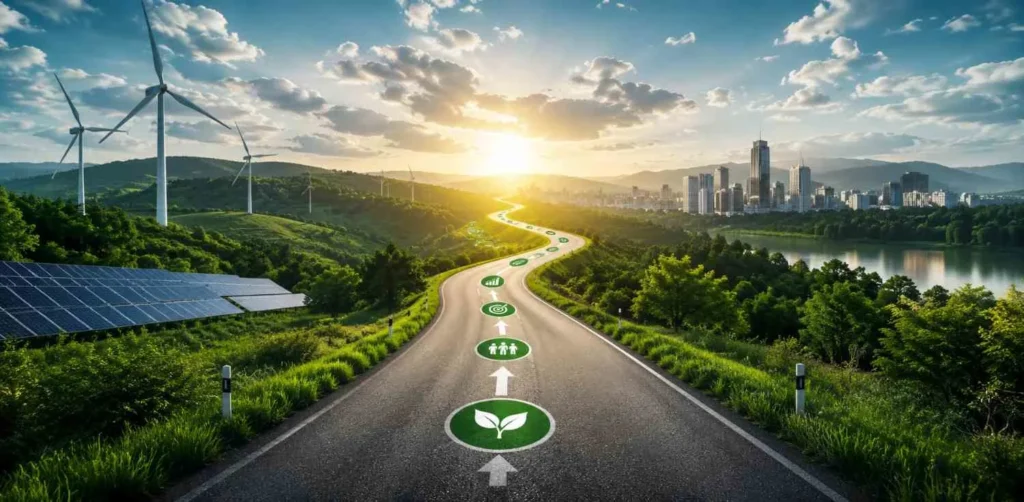
A net zero roadmap is a structured plan that outlines how emissions will be reduced and balanced over time to achieve net zero by 2050. It defines both near-term and long-term milestones across energy, transport, industry, and supply chains, prioritizing deep emission reductions first and neutralising residual emissions through credible carbon removal at the end […]
Steel Recycling from Vehicles
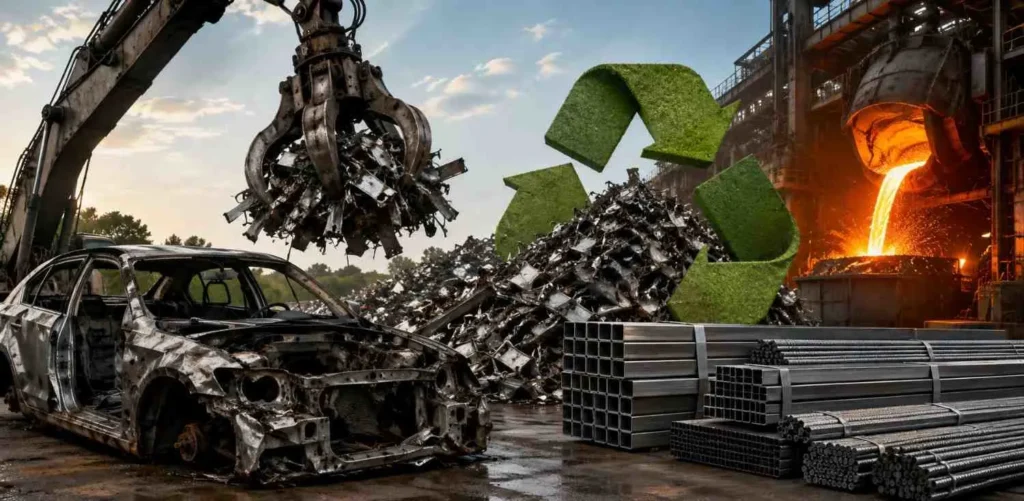
Steel is the single largest material recovered when a vehicle is recycled, with around 75% of the steel in a modern car recoverable. At a Registered Vehicle Scrapping Facility (RVSF), end-of-life vehicles are depolluted, dismantled, shredded, and passed through magnetic separation to extract ferrous steel. The recovered steel is melted in electric arc furnaces and […]
Scope 2 Emissions: Definition, Examples, and How Companies Reduce Them
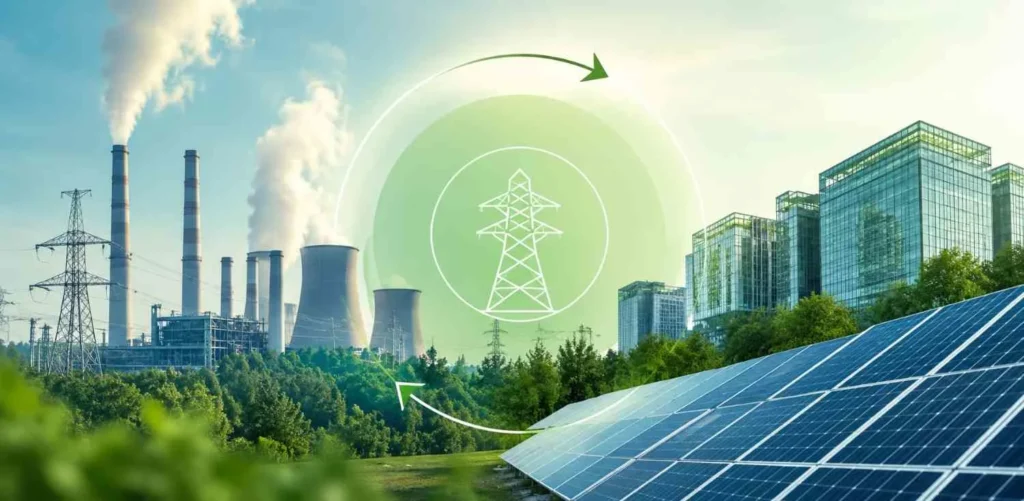
Scope 2 emissions are indirect greenhouse gas emissions resulting from the generation of purchased electricity, steam, heating, or cooling consumed by an organization. Although these emissions physically occur at the energy provider’s facilities, they are attributed to the consuming organisation under the GHG Protocol. For various businesses, particularly those in manufacturing, data centres, and commercial […]
Scope 1 Emissions: Meaning, Examples, and How Companies Reduce Them

Scope 1 emissions are direct greenhouse gas emissions released from sources owned or controlled by a company. These include fuel burned in company-owned vehicles, boilers, furnaces, industrial processes, and refrigerant leaks. Defined under the Greenhouse Gas (GHG) Protocol, Scope 1 emissions represent the most direct component of an organization’s carbon footprint and are the easiest […]
Which Parts of a Car Can Be Recycled
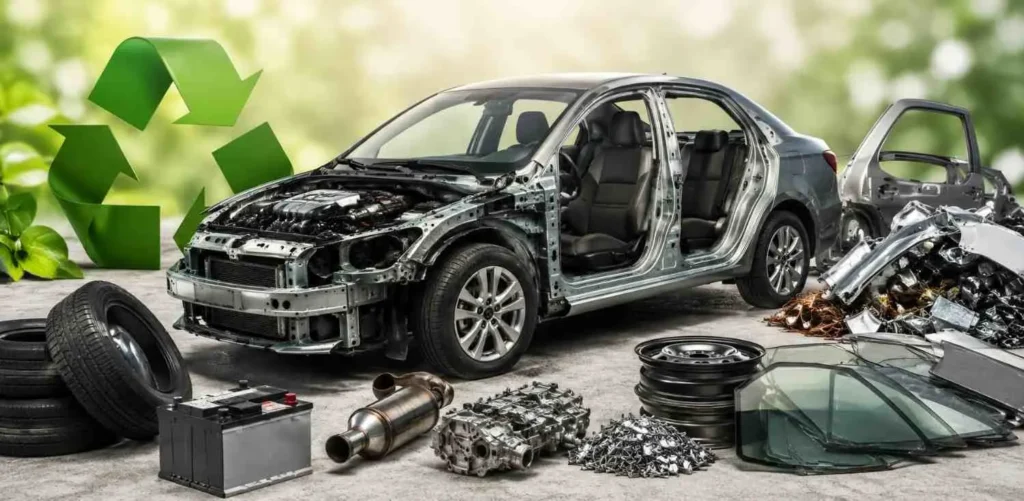
Up to about 90 percent of a car’s material weight can be recovered and recycled at an authorised facility, depending on the vehicle and the recovery process used. Metals such as steel, aluminium, and copper account for most of that recovered weight and are the easiest to recycle. Batteries, glass, tyres, plastics, and fluids each […]
How Automakers Can Buy ELV EPR Certificates
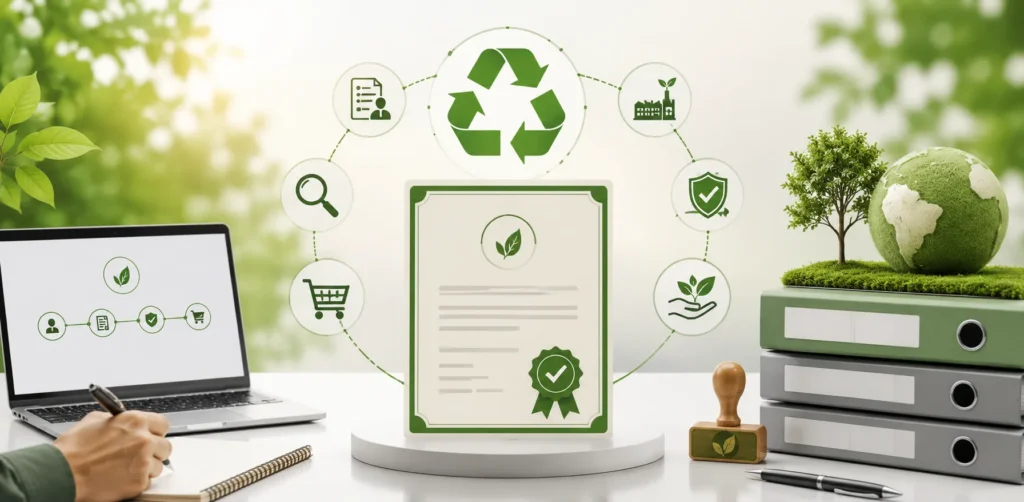
Automakers buy End-of-Life Vehicle (ELV) Extended Producer Responsibility (EPR) certificates from Registered Vehicle Scrapping Facilities (RVSFs) through the centralised Central Pollution Control Board (CPCB) EPR portal. Under the Environment Protection (End-of-Life Vehicles) Rules 2025, RVSFs generate certificates from the steel recovered when vehicles are scrapped. Automakers register on the portal, receive an annual steel-recovery target […]
ELV Rules 2025 and 2026 Proposed Amendment Draft for OEMs
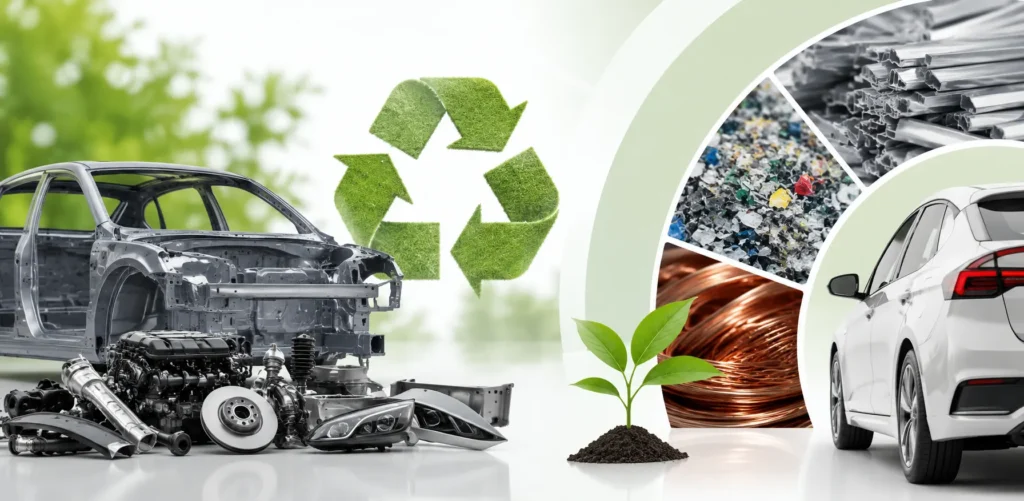
India’s Environment Protection (End-of-Life Vehicles) Rules, 2025, effective 1 April 2025, place Extended Producer Responsibility (EPR) on vehicle producers. The rules require automakers to scrap a share of the steel equivalent of vehicles sold 15 to 20 years earlier and to acquire EPR certificates against that target. A draft amendment dated 27 March 2026 allows […]