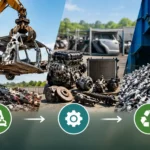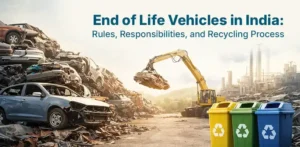

India’s Voluntary Vehicle-Fleet Modernization Programme (V-VMP) was introduced to modernize the country’s aging vehicle fleet and reduce emissions from outdated engines. The program encourages owners to retire unfit vehicles through certified dismantling and recycling systems rather than informal disposal channels. Historically, many end of life vehicles in India moved through unorganized scrap markets where environmental compliance and material recovery remained inconsistent.
The new ecosystem centers around certified dismantling networks and digital documentation systems that track vehicle lifecycle, recycling outcomes, and emissions accounting. These changes strengthen transparency while allowing the benefits of vehicle scrapping in India to extend beyond vehicle owners toward sustainability goals, material circularity, and climate-aligned industrial practices.
Financial Benefits of Vehicle Scrapping
Government policy and industry participation together create several vehicle scrappage policy benefits for vehicle owners. These incentives encourage owners to retire older vehicles and move toward safer and cleaner technology.
Key car scrapping incentives India offers include:
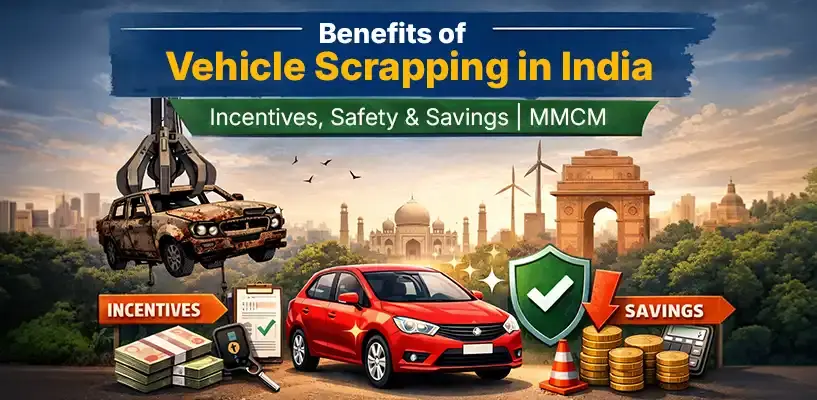
- Scrap Value Payment: Owners typically receive around 4–6% of the new vehicle’s ex-showroom price as scrap value. This provides an immediate financial return when retiring older vehicles.
- Road Tax Rebates: State governments offer road tax concessions of up to 25% for personal vehicles and around 15% for commercial vehicles when purchasing a new replacement vehicle.
- Registration Fee Waiver: Vehicle buyers presenting a scrapping Certificate of Deposit receive a 100% waiver on new vehicle registration fees, reducing overall ownership costs.
- OEM Discounts: Many automobile manufacturers provide voluntary discounts ranging from 1.5% to 5% or fixed reductions that may reach ₹20,000 for buyers using scrappage certificates.
- Waiver of Liabilities: Recent policy updates allow settlement or waiver of pending penalties when vehicles are voluntarily surrendered under the scrappage framework.
These financial incentives make the benefits of scrapping old vehicles more practical for individual owners while encouraging the shift toward modern, lower-emission vehicles.
Environmental Benefits of Scrapping Old Vehicles
Environmental gains represent one of the most important vehicle scrapping advantages. Older engines built under outdated emission standards release significantly higher levels of pollutants compared to modern vehicles.
1. Pollution Reduction
A single aging vehicle operating under older emission standards may produce emissions equivalent to 10–12 modern BS-VI vehicles. Replacing these vehicles reduces CO₂e emissions, particulate matter, and nitrogen oxides that contribute to urban air pollution.
2. Material Circularity Through Digital Platforms
Modern recycling frameworks use platforms such as Meta Materials Circular Markets (MMCM) to recover high-value metals including steel, aluminum, and copper from dismantled vehicles. These materials re-enter manufacturing supply chains, reducing reliance on energy-intensive mining and lowering industrial process emissions.
3. Carbon Credit Generation
Verified recycling activities can generate measurable emission reductions that contribute to generating end-of-life vehicle carbon credits, or simply ELV carbon credits. Through digital monitoring systems, verified emission reductions are documented using standardized carbon markets methodologies, enabling companies to participate in voluntary carbon markets.
4. Hazardous Waste Management
Authorized dismantling facilities safely manage hazardous materials such as batteries, mercury switches, fuel residues, and lubricants. Proper disposal prevents soil contamination and water pollution, strengthening environmental compliance and emissions accounting practices.
Specific Target Market Which MMCM Cater
The evolving vehicle recycling ecosystem serves several stakeholder groups across industry and sustainability sectors.
1. Fleet Operators
Logistics companies benefit from modernizing vehicle fleets while addressing scope 3 emissions linked to transportation activities. Verified scrappage and replacement programs support supply chain decarbonization and sustainability reporting.
2. Registered Scrapping Facilities
Digital monitoring platforms enable registered vehicle scrapping facility to document emissions accounting, recycling outputs, and compliance verification. This data supports participation in carbon markets and strengthens audit readiness.
3. Automotive Manufacturers
OEMs can incorporate recycled materials recovered from scrapped vehicles into manufacturing supply chains, supporting Extended Producer Responsibility (EPR) commitments and reducing embedded emissions in vehicle production.
4. Carbon Credit Buyers
Companies seeking verified emission reductions can participate in climate sector markets by purchasing credits generated from recycling and circular material recovery initiatives.
Conclusion
India’s vehicle scrappage framework transforms outdated vehicles from an environmental liability into an economic and sustainability opportunity. Through government policy, certified recycling networks, and digital monitoring platforms, the benefits of vehicle scrapping in India extend across financial savings, environmental protection, and industrial growth.
Vehicle owners receive incentives such as scrap value payments, tax concessions, and manufacturer discounts. Recycling systems recover valuable materials while generating measurable emission reductions that contribute to carbon markets.
FAQs
1. What are the benefits of vehicle scrapping in India?
Vehicle scrapping provides scrap value, tax rebates, registration fee waivers, fuel savings, and measurable environmental benefits through reduced emissions.
2. What financial incentives do I get after scrapping a vehicle?
Owners receive 4–6% scrap value, road tax concessions, registration fee waiver, and possible manufacturer discounts when purchasing a replacement vehicle.
3. How does vehicle scrapping reduce pollution?
Older BS-II and BS-III vehicles emit significantly more pollutants. Replacing them with BS-VI vehicles lowers particulate matter and nitrogen oxide emissions.
4. Can I scrap a vehicle that still runs?
Yes. Vehicles older than fifteen years can be voluntarily scrapped to access incentives and avoid future maintenance and compliance costs.
5. Do commercial vehicles get different benefits from scrapping?
Commercial vehicles qualify for road tax rebates and follow stricter fitness rules after fifteen years under the vehicle scrappage policy.
Last Updated on: March 12, 2026