

Circular Economy in India: Policies & Opportunities
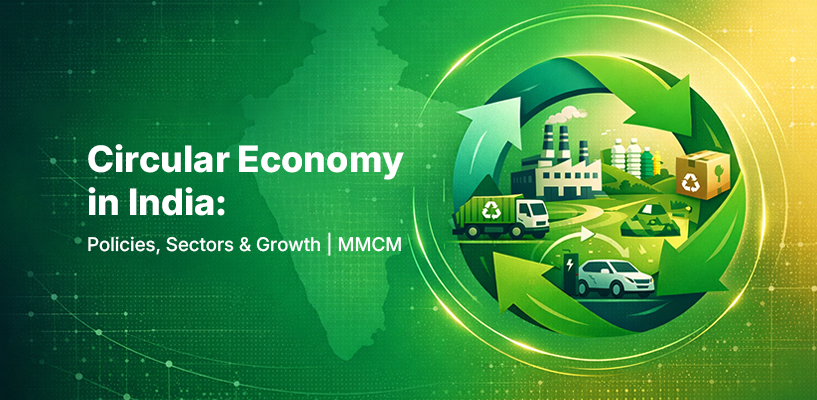
For a long time, most economies have followed a simple pattern: extract resources, manufacture products, use them, and eventually throw them away. This “take-make-dispose” model creates large amounts of waste and puts increasing pressure on natural resources. India is gradually moving toward a different approach known as the circular economy. Instead of discarding materials after […]
What is EPR (Extended Producer Responsibility)?
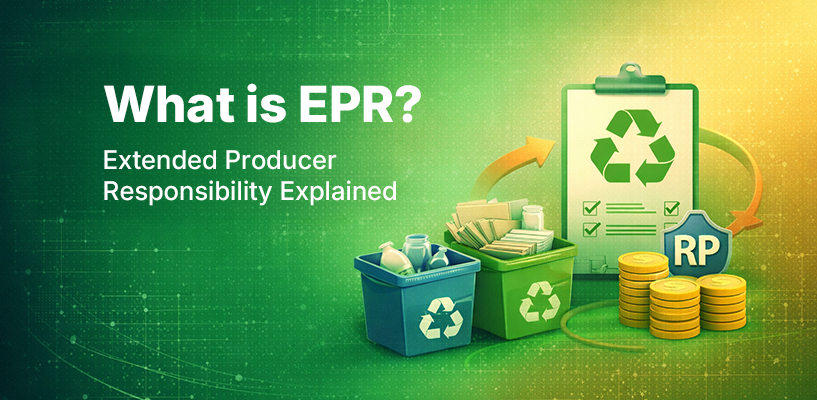
Waste management has traditionally been treated as a municipal responsibility. Products are manufactured, sold, consumed, and eventually discarded, leaving local authorities to deal with the environmental impact. As consumption volumes increased and materials became more complex, this approach began to fail. Municipal systems alone cannot manage the growing streams of plastic packaging, electronic equipment, batteries, […]
EPR Credits vs EPR Targets: What Is the Difference?
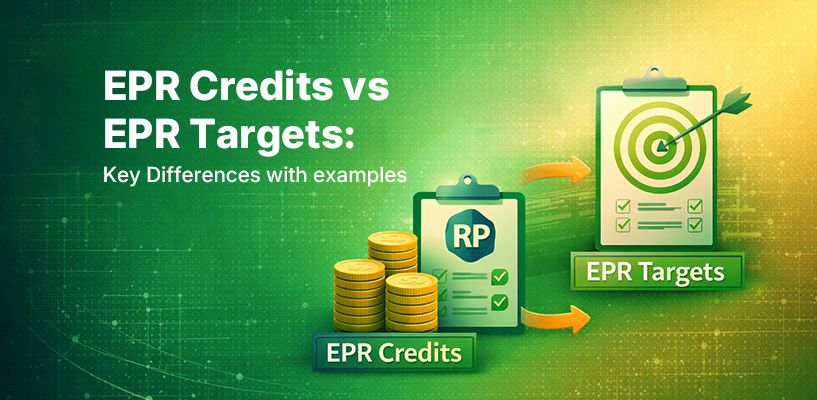
Extended Producer Responsibility (EPR) regulations require businesses to take responsibility for the environmental impact of the products they introduce into the market. In India, these rules apply not only to manufacturers but also to Producers, Importers, and Brand Owners (PIBOs) that place regulated products such as plastic packaging, electronics, batteries, and tyres into circulation. Regulatory […]
How to Select Authorized Car Scrapping Facility in India
Vehicle scrapping in India now follows a regulated system introduced under the national vehicle scrappage framework. The policy requires vehicles to be dismantled only at government-approved Registered Vehicle Scrapping Facilities (RVSFs). Choosing the correct facility ensures legal deregistration, access to financial incentives, and responsible handling of hazardous materials. An unregistered scrap dealer may dismantle a […]
Vehicle Scrappage Policy in India: Rules, Process, and Benefits
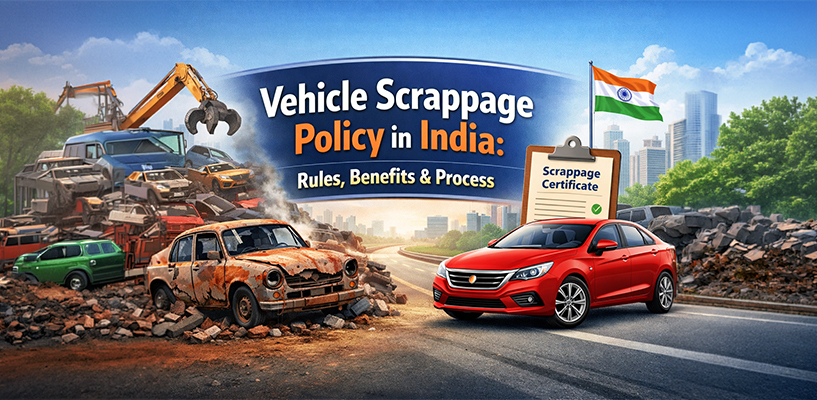
India’s vehicle scrappage policy in India phases out old and polluting vehicles through mandatory fitness testing after 15 years for commercial vehicles and 20 years for personal vehicles. Testing occurs at Automated Testing Stations and failed vehicles must be scrapped at Registered Vehicle Scrapping Facilities. Owners receive incentives such as scrap value, tax rebates, and […]
What Is an EPR Certificate?
Market access in India’s regulated product categories is not determined solely by manufacturing or import approval. Environmental compliance clearance has become an independent requirement linked to post-sale accountability. Authorities now maintain dedicated registration systems that track obligated entities separately from production licences. An EPR certificate exists within this compliance layer. It formally recognises a company […]
Benefits of Vehicle Scrapping in India
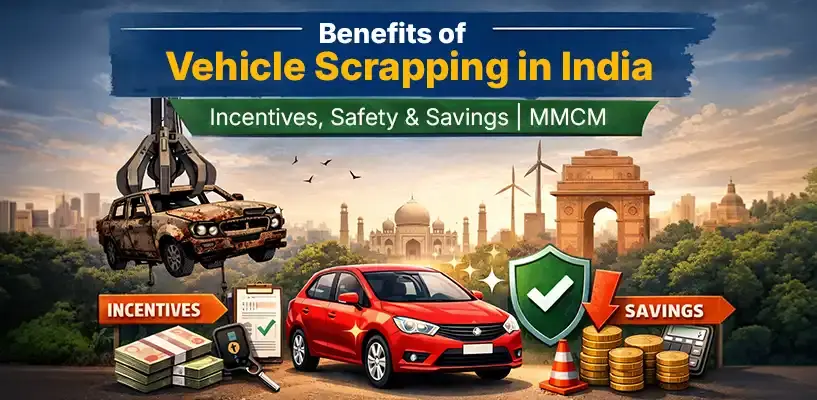
India’s Voluntary Vehicle-Fleet Modernization Programme (V-VMP) was introduced to modernize the country’s aging vehicle fleet and reduce emissions from outdated engines. The program encourages owners to retire unfit vehicles through certified dismantling and recycling systems rather than informal disposal channels. Historically, many end of life vehicles in India moved through unorganized scrap markets where environmental […]
End of Life Vehicles in India: Rules, Process & EPR Explained
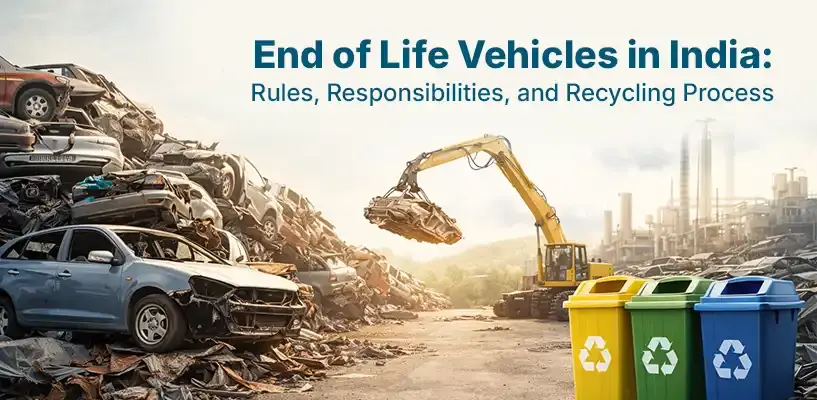
End of life vehicles in India are regulated under the Environment Protection (End-of-Life Vehicles) Rules, 2025, which establish a government-mandated framework for environmentally sound vehicle scrapping through Extended Producer Responsibility. Vehicles that are deregistered, declared unfit, or exceed prescribed age limits must be processed at an authorised Registered Vehicle Scrapping Facilities to enable verified material […]
Sustainability in the Automotive Industry
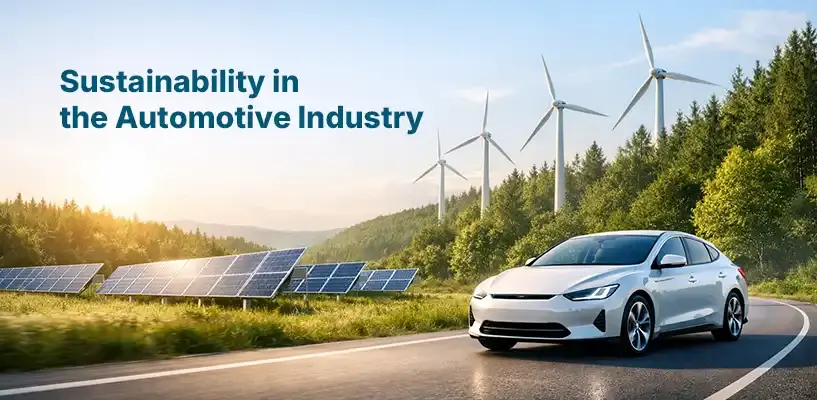
For years, sustainability in the automotive sector was discussed mostly in terms of fuel efficiency and emission norms. That conversation is changing. The question is no longer limited to how clean a vehicle runs. It now includes what happens after that vehicle is no longer on the road. Old vehicles are dismantled, recycled, or, in […]
How to Scrap a Vehicle in India
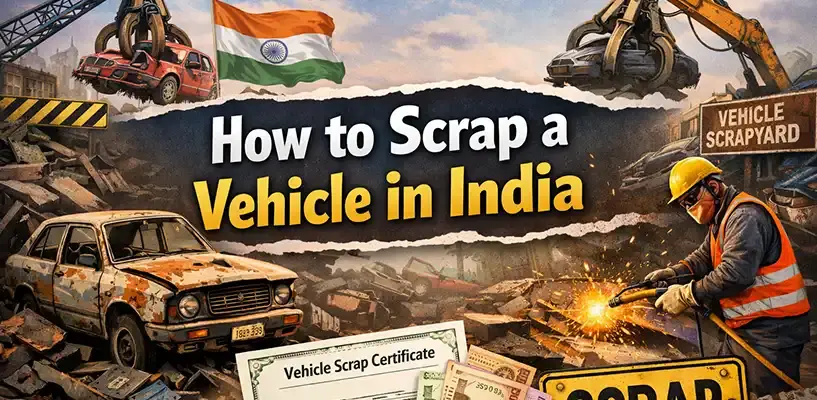
Vehicle scrapping in India plays a crucial role in reducing pollution, improving road safety, and ensuring legal compliance. Ageing vehicles or those that fail fitness tests must be scrapped through a government-authorised Registered Vehicle Scrapping Facility (RVSF). The facility verifies documents, dismantles the vehicle scientifically, manages RTO deregistration, and issues a digital scrapping certificate required […]