Auto OEMs
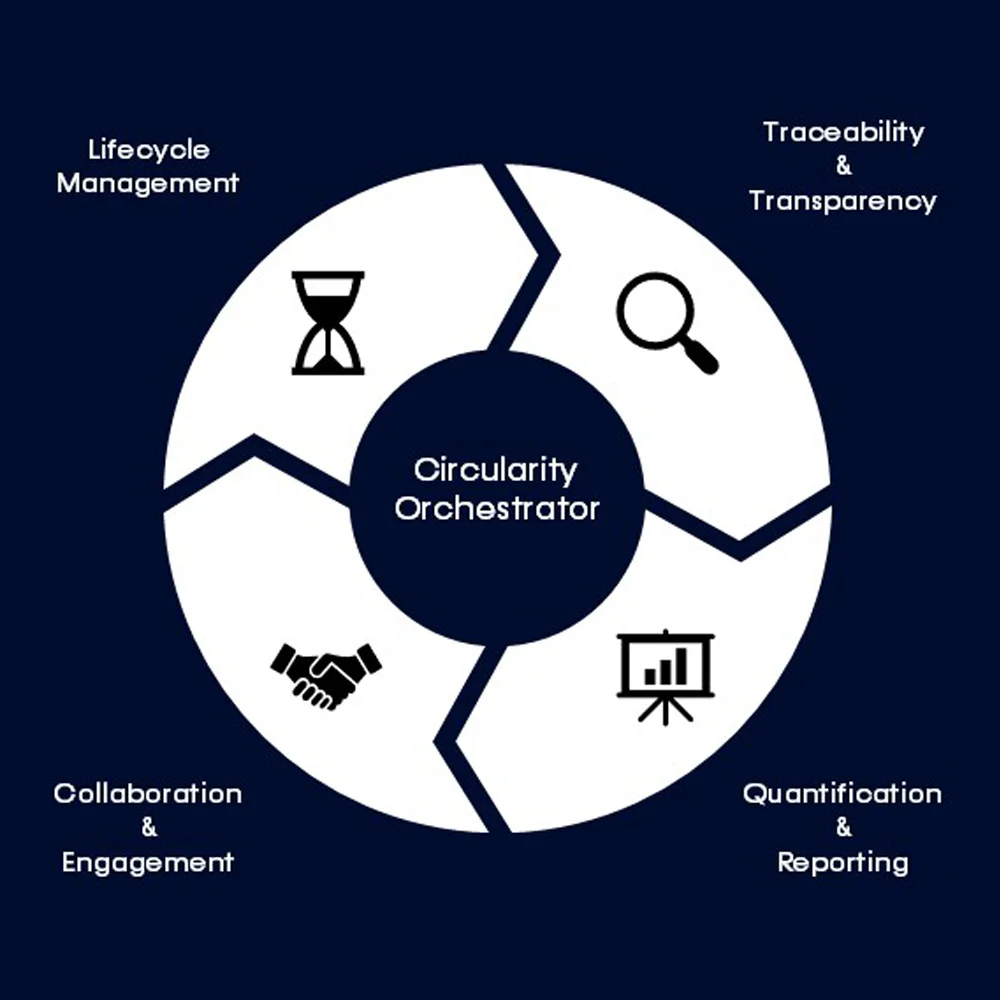
The Auto Circularity Orchestrator represents a pioneering platform that serves as a cornerstone for original equipment manufacturers (OEMs) in their journey towards sustainable innovation within the automotive industry. This innovative solution seamlessly integrates into every facet of the automotive lifecycle, right from the design phase to the eventual disposal of vehicles. By doing so, it empowers OEMs to revolutionize their approach to production and distribution, ensuring that every step aligns with the principles of environmental sustainability.
One of the most significant advantages offered by the Auto Circularity Orchestrator is its ability to facilitate compliance with evolving environmental regulations and standards. It equips OEMs with the tools and insights needed to adhere to stringent sustainability benchmarks, minimizing their ecological footprint and fostering responsible practices.
Vehicle Owners
The Auto Circularity Orchestrator stands as a powerful catalyst for individual empowerment in making sustainable choices. It offers a comprehensive framework that empowers people to actively engage in environmentally responsible decisions, right from the moment they consider parting with their old vehicles. Through a streamlined process of vehicle recycling, individuals can contribute to the reduction of environmental pollutants and the optimization of precious resources.
Furthermore, the Auto Circularity Orchestrator doesn’t stop at promoting recycling but extends its mission to facilitate the transition to eco-friendly mobility options. By connecting individuals with environment-friendly centers and providing access to cleaner, low-emission vehicle alternatives, it becomes an enabler of positive choices for both the individual and the planet.
Vehicle scrappers
The Auto Circularity Orchestrator is more than just an advocate for sustainable mobility; it’s a dynamic solution for businesses in the vehicle scrapping industry. By streamlining operations, it offers these companies the means to optimize their efficiency and maximize profits. Its impact is multifaceted, addressing key aspects that are integral to success in this sector.
The Auto Circularity Orchestrator focuses on traceability, compliance, and efficient resource management. This ensures transparency in recycling, compliance with regulations, and reduced environmental impact. It aids scrapping facilities in adapting to industry changes, maintaining integrity, and boosting sustainability.
Material processor
Our Automotive Circularity Orchestrator goes beyond mere recycling; it’s a comprehensive system designed to revolutionize the way materials are managed in the automotive sector. One of its primary functions is to enhance material quality. By implementing rigorous quality control measures, we ensure that recycled materials meet the highest standards. This not only promotes sustainability but also guarantees the safety and efficiency of the end products. Through our Orchestrator, materials are meticulously sorted, processed, and transformed into high-quality resources, contributing to a more eco-conscious and responsible automotive industry.
Our Orchestrator prioritizes material traceability, documenting the entire lifecycle from recycling to vehicle manufacturing. This enhances material integrity and streamlines emission reduction by identifying and fixing inefficiencies. It spearheads sustainable solutions in the automotive industry, fostering resource circularity for a greener future.
Automotive Retail
Our Auto Circularity Intelligence Hub is the key to unlocking retail success in the automotive industry. It goes beyond traditional sales strategies, offering a comprehensive approach to boost sales.
In addition to high-quality leads, our Intelligence Hub delves deep into buyer insights. It compiles data on consumer behaviors, preferences, and trends, providing businesses with invaluable information to tailor their offerings. This level of precision-targeted marketing is unparalleled, as it allows businesses to craft marketing campaigns and strategies that resonate with their audience on a personal level. By understanding what customers truly desire, businesses can enhance their sales strategies, improve customer relationships, and position themselves as leaders in the sustainable automotive market. This results in a win-win situation, with customers benefiting from tailored solutions and businesses reaping the rewards of increased sales and brand recognition.
BFSI
Identifying value pools for private investments is a strategic imperative in today’s economy, particularly in the context of circular value chains. These value pools represent untapped opportunities where investments can be channeled to build scale and profitability. Circular value chains are driven by principles of sustainability and resource optimization, making them fertile ground for innovative private investments. By carefully pinpointing these value pools, investors can not only contribute to the advancement of circular economies but also reap substantial financial rewards.
Identifying value pools in circular value chains is about pinpointing investment opportunities in sectors with high demand for sustainable solutions but limited existing infrastructure. Think recycling tech, sustainable materials, and eco-friendly manufacturing. Investors must understand the circular economy landscape, emerging trends, and scalability potential.